What is the Difference Between Cheap Pickleball Paddle and Premium?
Table of Contents
The difference between a cheap pickleball paddle and a premium one lies in the quality of raw materials, the complexity of internal engineering, and the precision of the manufacturing process. You are likely standing on the court wondering why your shots feel hollow while your opponent hits with effortless power and precision. The frustration of missing easy dinks because your equipment lacks a consistent sweet spot can ruin the joy of the game for any dedicated player. Understanding the cheap-versus-premium-paddle differences allows you to stop wasting money on temporary replacements and finally invest in technology that actually supports your growth. Professional players realize that a higher price point usually reflects better raw materials and superior construction methods that prevent common failures like delamination or dead spots.
Why do paddle materials drive the total cost?

Raw materials dictate the price because a cheap-versus-premium-paddle typically utilizes fiberglass or wood instead of high-modulus carbon fiber. Premium materials offer significantly better energy return and feedback during intense play on the court. Using high-grade T700 carbon fiber ensures that your paddle face remains stiff and responsive through thousands of hits without losing its original shape.
Is aerospace carbon fiber really better?
Aerospace-grade carbon fiber provides a superior strength-to-weight ratio that generic synthetics simply cannot match. Think about it:
- Better stiffness increases accuracy.
- Reduced weight prevents arm fatigue.
- Tighter weaves improve ball friction.
- Structural longevity lasts multiple seasons.
Fiberglass surfaces are generally much cheaper to produce but they often lack the vibration dampening found in more expensive models. What is the real story?
- Smooth surfaces lack spin potential.
- Heavier materials slow down reactions.
- Brittle layers crack under pressure.
- Inconsistent pop ruins your timing.
Key Takeaway: High-end materials like T700 carbon fiber provide the essential balance of lightness and strength required for competitive play.
| Material Type | Cost Level | Performance | Durability |
|---|---|---|---|
| Wood | Low | Poor | Low |
| Fiberglass | Medium | Moderate | Medium |
| Carbon Fiber | High | Elite | High |
Using high-grade carbon fiber ensures a consistent response across the entire face while preventing the surface from cracking under intense pressure.
How does core technology change your gameplay?
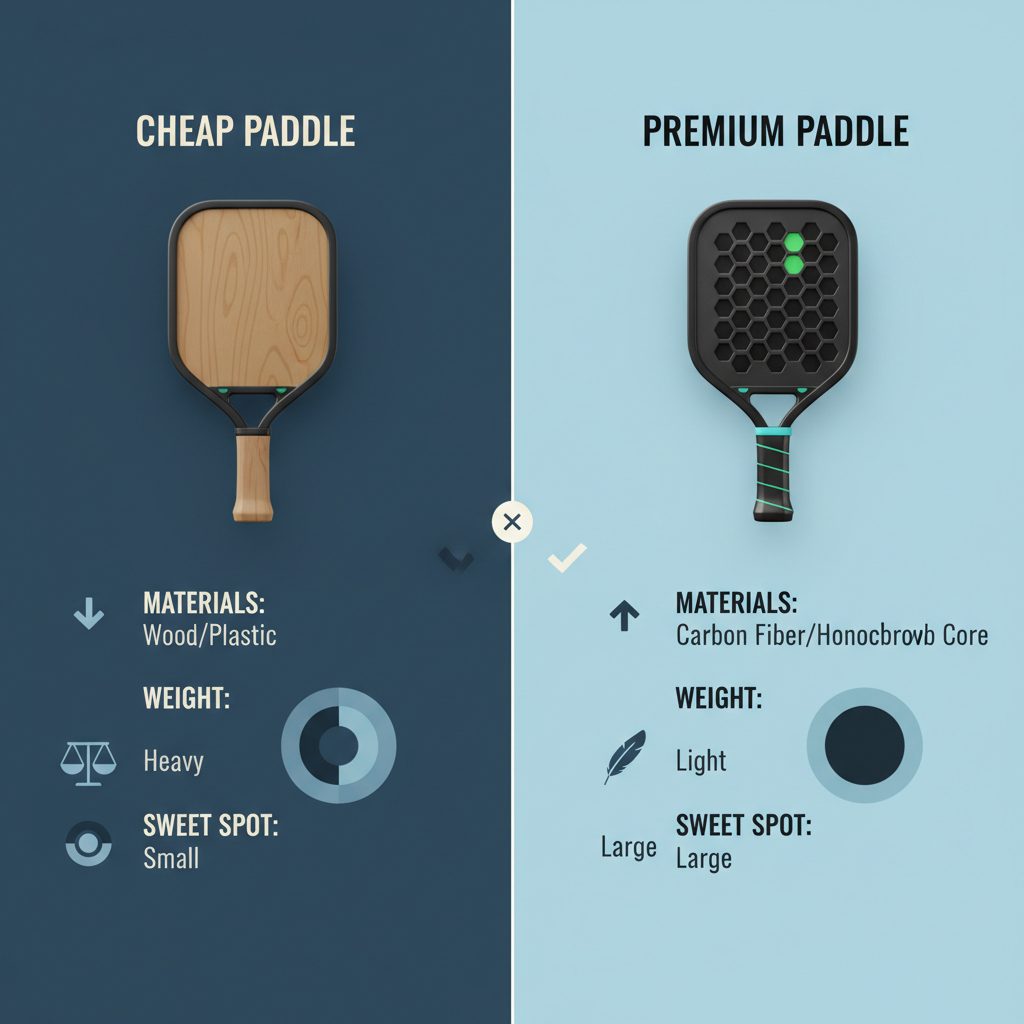
Core engineering represents the heart of any cheap-versus-premium-paddle because advanced polymer honeycombs distribute impact energy much more effectively than basic solid cores. Most expensive models utilize smaller honeycomb cells to create a firmer feel that increases both power and control simultaneously. Cheap paddles often feature larger cells that create inconsistent dead zones where the ball simply dies upon contact.
Do smaller honeycomb cells improve control?
Smaller honeycomb cells create a much denser internal structure that supports the paddle face more uniformly. Here’s the deal…
- Dense cores reduce annoying vibrations.
- Uniform support expands the sweet spot.
- Structural integrity prevents core crushing.
- Better energy transfer increases ball speed.
Low-cost paddles often use large-cell polymer or even cardboard cores that lack rebound energy. You might be wondering…
- Hollow cores feel like sponges.
- Adhesive failure causes dead spots.
- Cell collapse ruins paddle shape.
- Impact noise is loud and tinny.
Key Takeaway: Investing in a small-cell polymer core provides the necessary stability to transition from beginner dinks to advanced power shots.
| Feature | Large Cell (Cheap) | Small Cell (Premium) |
|---|---|---|
| Cell Density | Low | High |
| Sweet Spot | Small | Large |
| Noise Level | Loud Clack | Solid Pop |
Premium cores use advanced heat-bonding techniques to ensure the honeycomb stays attached to the face without any air pockets or glue failures.
What role does thermoforming play in pricing?
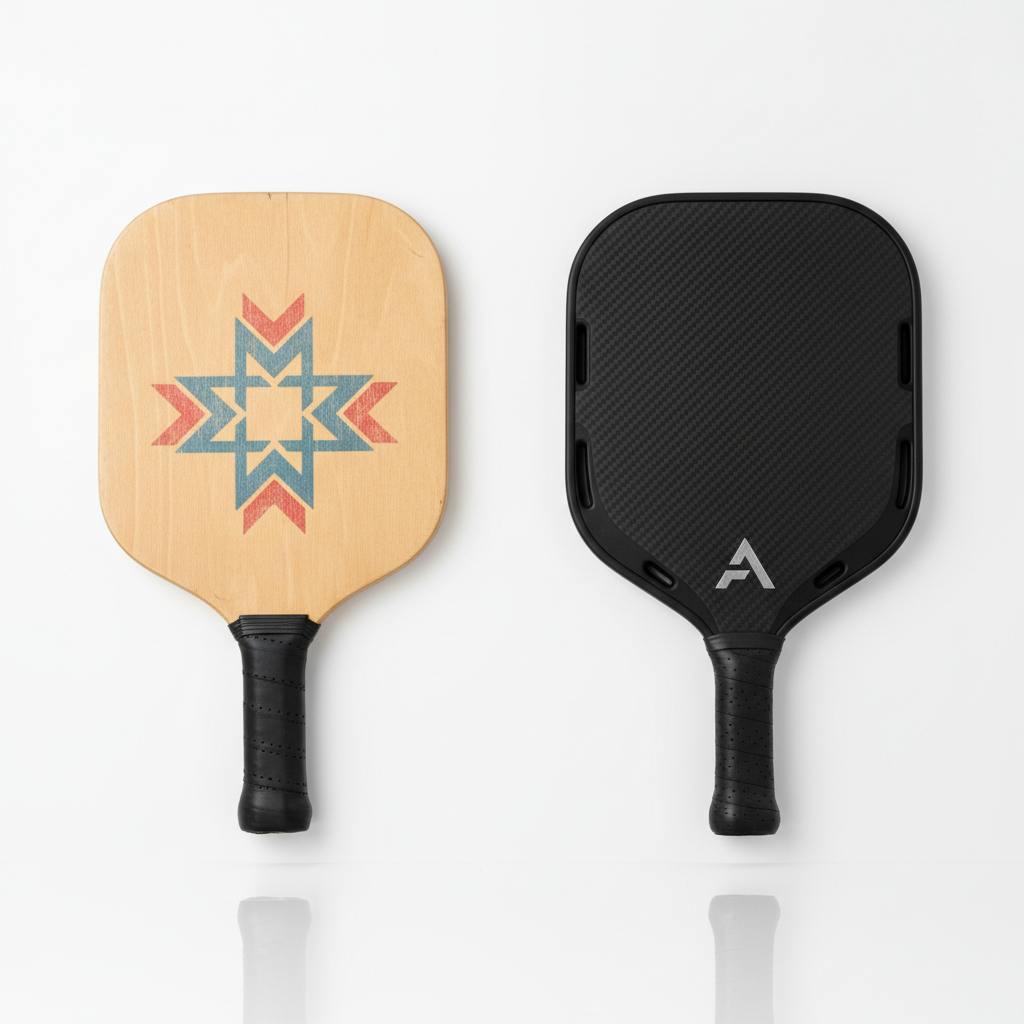
Thermoforming is a high-heat manufacturing process that sets a cheap-versus-premium-paddle apart by creating a seamless unibody structure instead of a glued sandwich design. This multi-stage molding technique requires expensive machinery and precision timing to ensure all layers fuse together perfectly for maximum durability. A thermoformed paddle feels much stiffer and more powerful because the carbon fiber wraps entirely around the edges of the core.
Does hot-pressing prevent delamination?
Hot-pressing bonds the face and core at a molecular level which virtually eliminates the risk of the hitting surface peeling away. What is the real story?
- Unibody construction increases overall stiffness.
- Seamless edges improve aerodynamic speed.
- Pressure molding removes internal air gaps.
- Carbon wrapping prevents handle snapping.
Premium thermoformed paddles often include specialized foam injected into the perimeter to increase stability. Ready for the good part?
- Edge walls add significant weight stability.
- Twist weight increases on off-center hits.
- Vibration travel is significantly reduced.
- Edge guard adhesion is more robust.
Key Takeaway: Choosing a thermoformed paddle ensures you are getting a unibody tool designed to withstand professional levels of impact and stress.
| Method | Integrity | Power Level | Cost |
|---|---|---|---|
| Cold Press | Moderate | Average | Low |
| Thermoforming | Elite | High | Premium |
Thermoforming represents the current gold standard for durability because it removes the structural weaknesses inherent in traditional glued assembly methods.
Does premium durability save you money later?
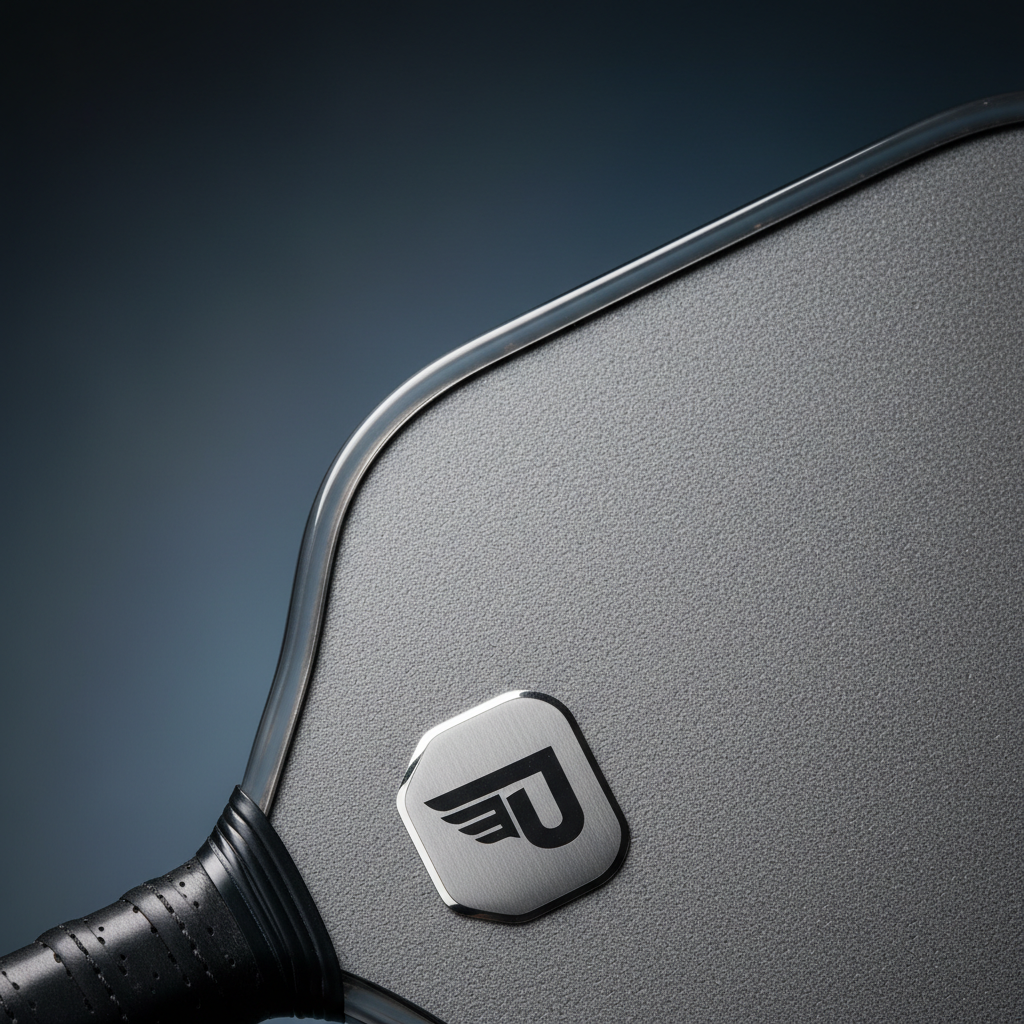
The long-term durability of a cheap-versus-premium-paddle means that an expensive initial investment often costs less per game than replacing multiple budget versions. Premium gear is built to handle the scuffing and ground impacts that naturally occur when you are diving for low balls. Cheap paddles often use thin edge guards that pop off easily which leaves the internal core exposed to moisture.
Can a paddle last three years?
A high-end paddle constructed with quality carbon fiber and a thermoformed edge can easily last through several seasons of daily play. Think about it:
- Quality resins resist heat warping.
- Robust edge guards protect the core.
- UV-resistant coatings prevent surface fading.
- Reinforced handles stop common snaps.
You will notice a dead sound when the internal honeycomb structure begins to collapse or separate from the face material. But wait, there is more:
- Loss of rebound indicates core failure.
- Loose edge guards rattle during swings.
- Surface bubbling ruins ball control.
- Grip degradation hurts hand comfort.
Key Takeaway: High durability ensures your paddle performs exactly the same on day five hundred as it did on day one of your journey.
| Paddle Tier | Price | Avg. Lifespan | Cost Per Month |
|---|---|---|---|
| Budget | $40 | 6 Months | $6.66 |
| Premium | $180 | 36 Months | $5.00 |
Superior materials and construction provide a much longer performance window which makes the more expensive option the smarter financial choice over time.
How does surface texture impact ball spin?
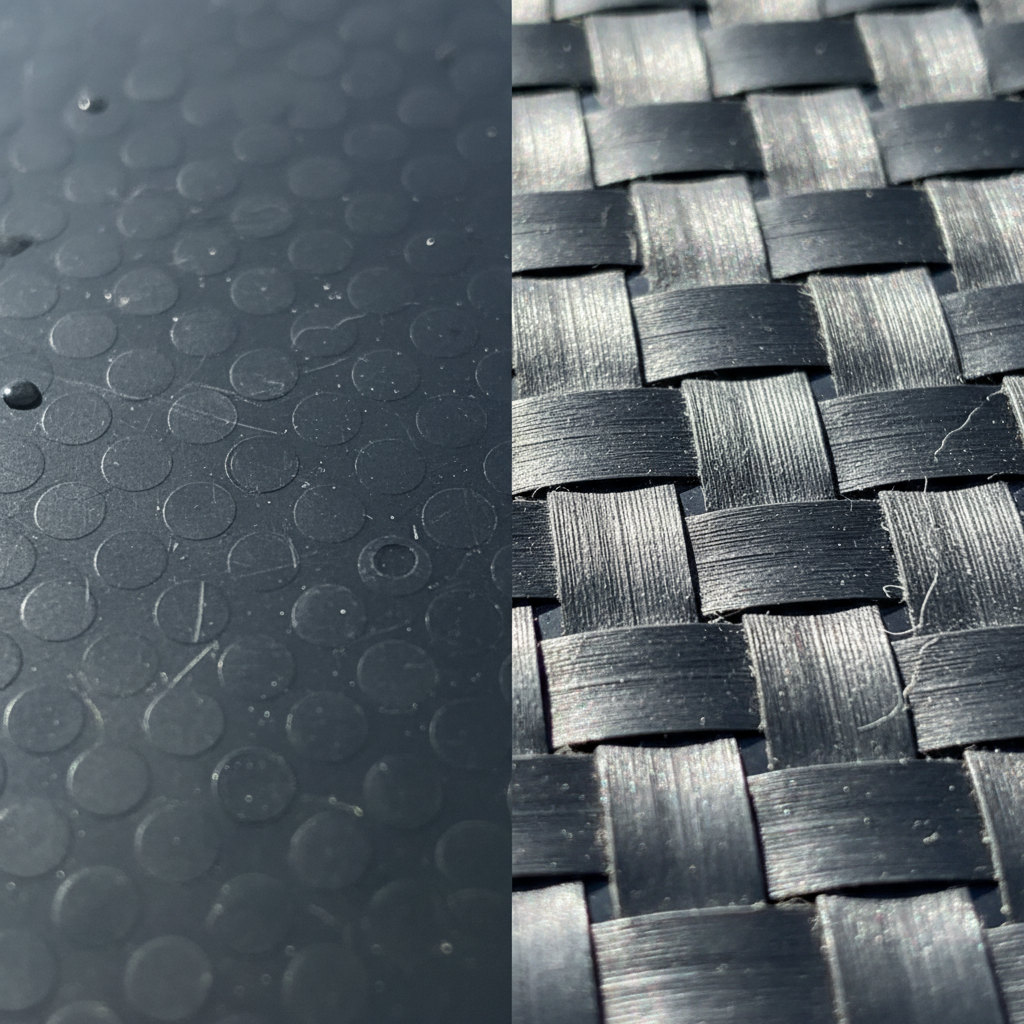
Generating massive spin requires a specific surface friction that defines the cheap-versus-premium-paddle experience through either peel ply textures or sprayed-on grit coatings. High-end paddles use a raw carbon fiber finish where the texture is actually woven into the material rather than just painted on. This permanent texture allows you to grab the ball and rip heavy topspin or slicing backspins that stay low.
Why does raw texture last longer?
Raw carbon fiber texture is an integral part of the face material which means it cannot be scraped off or worn down. Here is the kicker:
- Woven grit provides consistent ball bite.
- Permanent texture resists weathering effects.
- Increased friction allows for sharper angles.
- USAPA compliance ensures fair play standards.
While sprayed-on textures are very cheap to apply they represent a temporary solution that will eventually leave you with a slippery face. But that’s not all…
- Paint grit clogs with ball dust.
- Smooth spots develop on the center.
- Friction levels drop after ten games.
- Spin potential becomes totally unpredictable.
Key Takeaway: Permanent surface texture is essential if you want to master the art of spin without your equipment failing you mid-season.
| Surface Type | Grip Level | Texture Longevity | Spin Potential |
|---|---|---|---|
| Smooth Composite | Low | N/A | Low |
| Sprayed Grit | High (Short) | Poor | Moderate |
| Raw Carbon | High (Long) | Elite | Elite |
Raw carbon surfaces provide the most reliable friction coefficient which is necessary for executing professional-level serves and dipping transition shots effectively.
Is vibration dampening worth the investment?
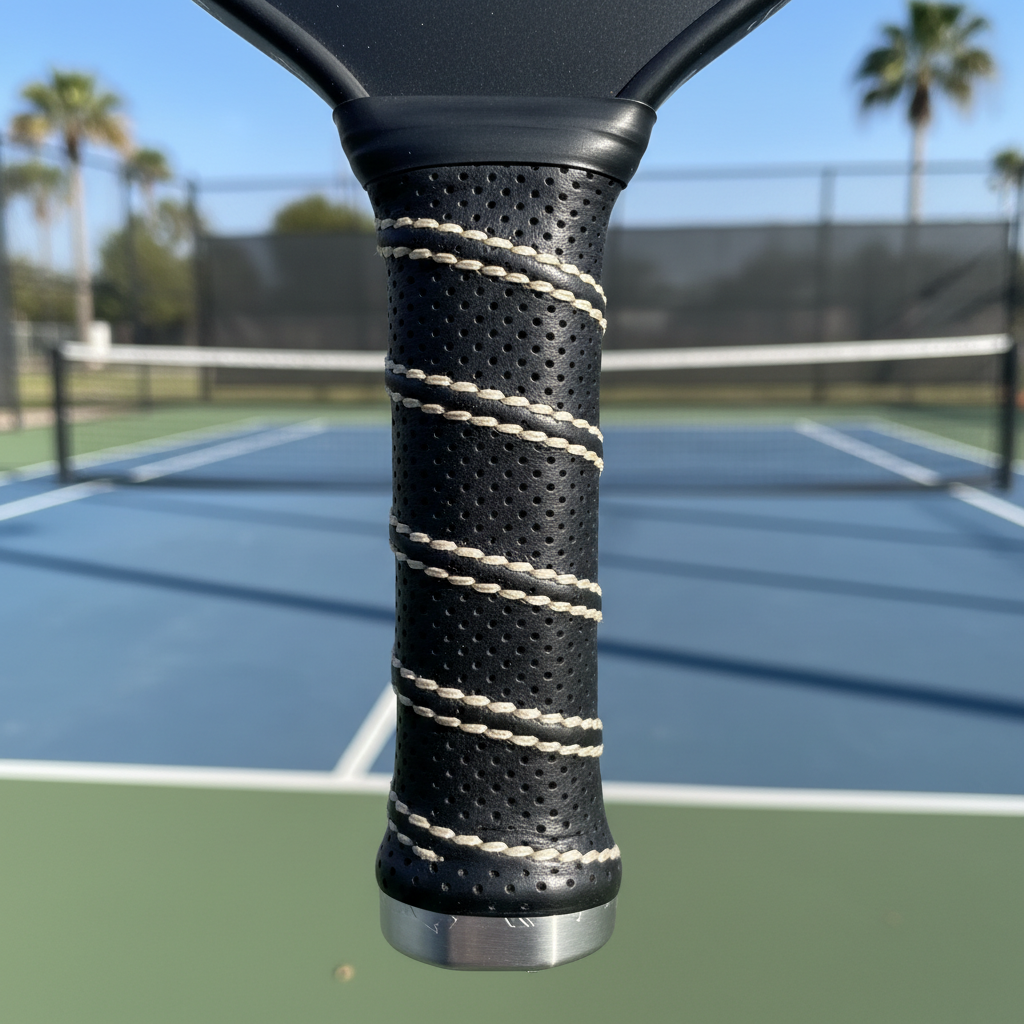
Arm health is a major factor in the cheap-versus-premium-paddle debate because high-end models include internal layers specifically designed to absorb harsh shocks. Cheap paddles often transmit the full force of a ball strike directly into your elbow and wrist. This repetitive trauma is the leading cause of pickleball elbow which can sideline players for months at a time.
Can the right paddle prevent injury?
Paddles engineered with vibration-absorbing technology significantly reduce the sting felt during off-center hits or high-speed blocks at the kitchen line. Think about it:
- Foam edges stabilize the entire frame.
- Ergonomic grips reduce hand cramping.
- Internal layers filter high-frequency shocks.
- Balanced weighting prevents wrist strain.
The high-pitched clack sound associated with budget paddles is a sign of poor energy absorption and low-quality internal bonding. You might be wondering…
- Loud noise signals structural vibration.
- Dull thuds indicate energy capture.
- Handle dampening protects the elbow.
- Soft feel improves touch shots.
Key Takeaway: Protecting your joints with a vibration-dampening paddle is far cheaper than the medical bills and physical therapy required for chronic injuries.
| Paddle Feature | Impact Feeling | Arm Strain | Sound Profile |
|---|---|---|---|
| Solid Wood | Harsh | Very High | Loud Bang |
| Basic Polymer | Moderate | Medium | Tinny Clack |
| Dampened Carbon | Soft | Low | Solid Pop |
Advanced dampening technology allows for a much more comfortable user experience which is vital for older players or those with previous joint injuries.
Why is weight consistency a premium hallmark?
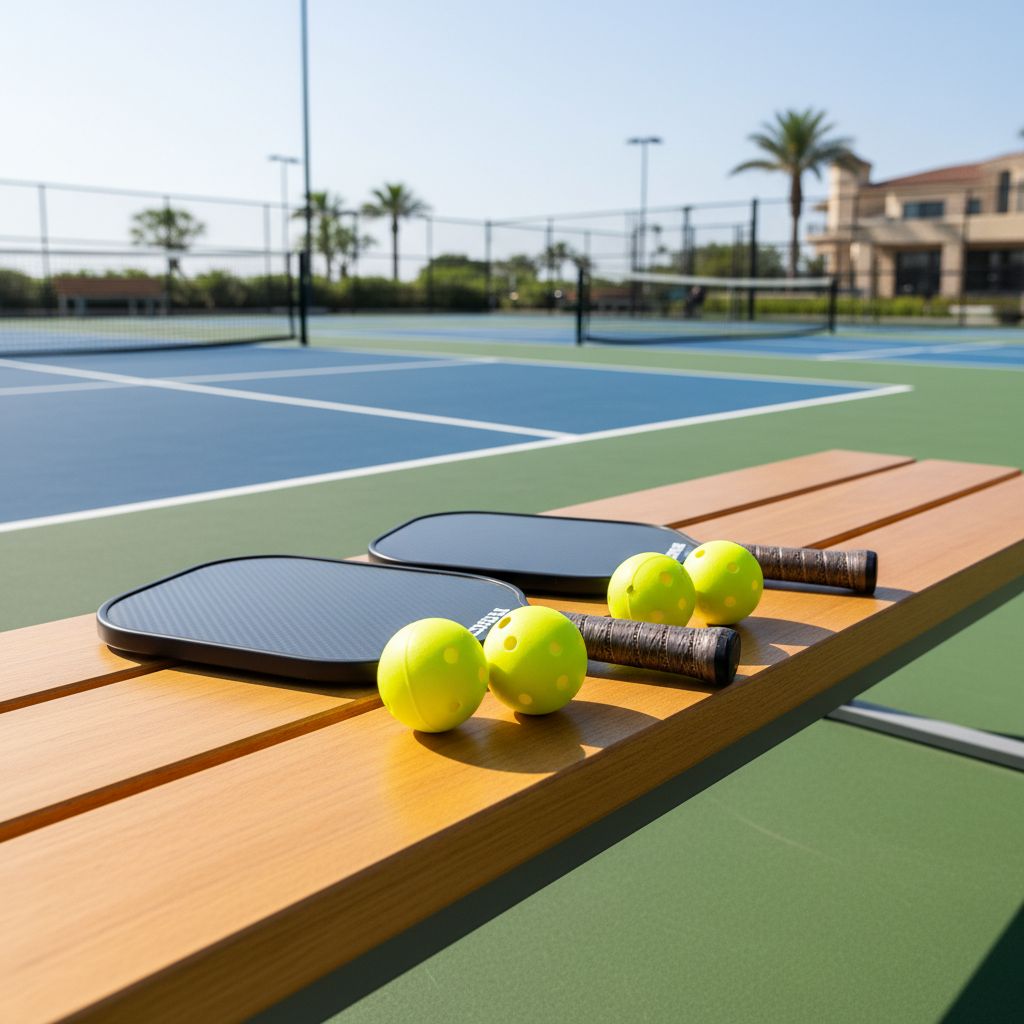
Consistency across a cheap-versus-premium-paddle product line ensures that your backup paddle feels exactly like your primary one during a match. Cheap manufacturers often have weight variances of up to an ounce between identical models which can throw off your timing. Premium brands use strict quality control to ensure every single unit falls within a tiny weight tolerance.
Does an extra ounce really matter?
Even a tiny difference in weight can drastically change the swing weight and how fast you can react at the net. What is the real story?
- Uniform weight preserves muscle memory.
- Balanced centers prevent head-heavy fatigue.
- Accurate specs allow for custom weighting.
- Consistent feel improves shot reliability.
High-end factories use digital swing-weight machines to measure the actual momentum required to move the paddle through the air. Here is the kicker:
- Swing weight dictates hand speed.
- Balance points impact power delivery.
- Static weight affects long-term fatigue.
- Precise specs ensure tournament legality.
Key Takeaway: Precise weight and balance consistency are what allow professional players to maintain their high-level performance regardless of which paddle they pick up.
| Brand Tier | Weight Variance | Balance Point | Consistency |
|---|---|---|---|
| Amazon Generic | +/- 0.8 oz | Random | Poor |
| Premium Pro | +/- 0.1 oz | Precise | Elite |
High-end manufacturing eliminates the luck of the draw when ordering gear which ensures that the product you receive matches the advertised specifications perfectly.
What defines high-end manufacturing quality?
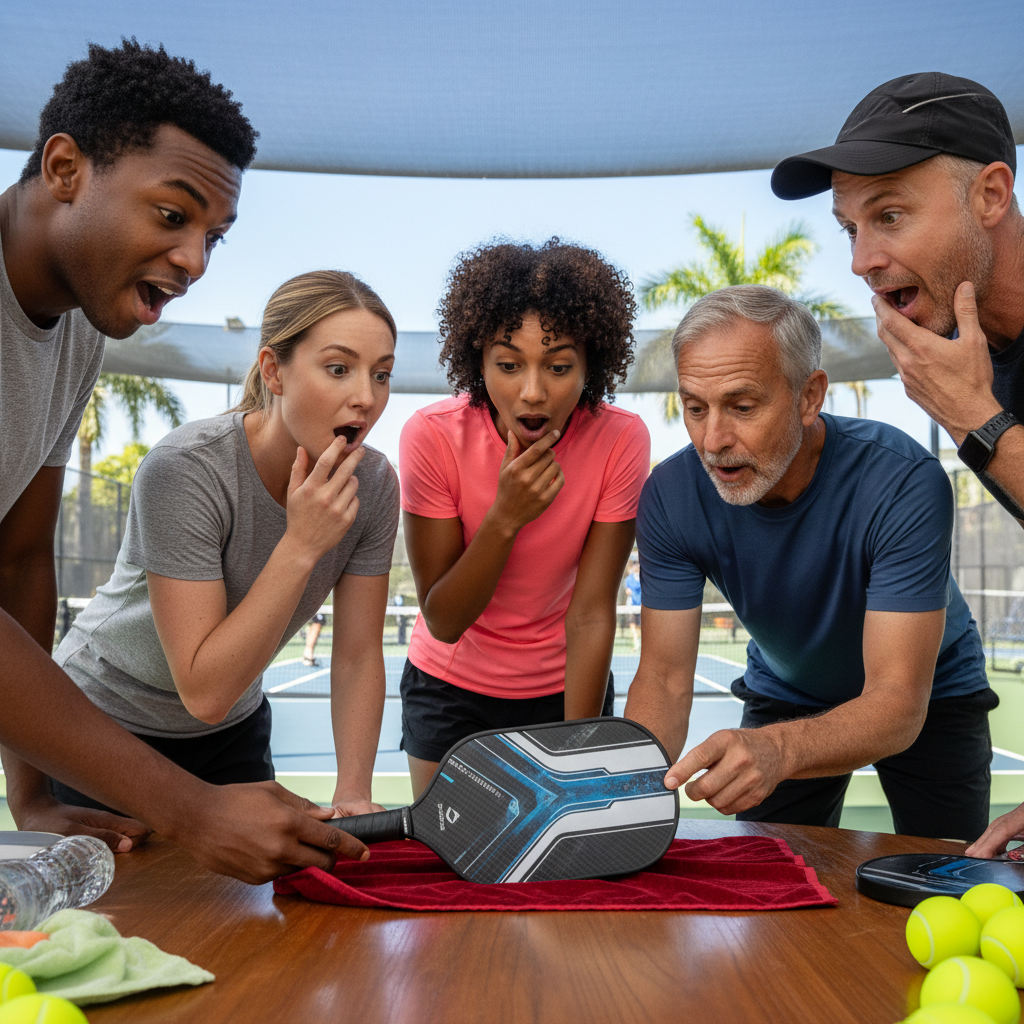
The difference in manufacturing for a cheap-versus-premium-paddle comes down to manual quality checks and the use of certified ISO9001 environments. Cheap paddles are typically mass-produced on fully automated lines where robots might miss misaligned edge guards or internal core bubbles. A premium paddle undergoes multiple human inspections during the assembly process to ensure everything is fused correctly.
Is hand-finishing worth the price?
Hand-finishing ensures that the grip is wrapped perfectly and the edge guard is seated tightly with no gaps. Ready for the good part?
- Human eyes catch small cosmetic flaws.
- Manual tensioning ensures a better grip.
- Individual testing finds internal defects.
- Custom assembly allows for higher specs.
Dead spots occur when the internal glue fails to bond a specific section of the core to the face. Think about it:
- Vacuum sealing prevents air bubbles.
- Even pressure ensures surface flat-ness.
- Slow-cure adhesives offer better strength.
- Hand-sanding removes sharp plastic edges.
Key Takeaway: High-end quality control ensures that your paddle is a precision tool rather than a gamble on a mass-produced assembly line.
| Factor | Mass Production | Premium Factory |
|---|---|---|
| Quality Control | Batch Sampling | Individual Testing |
| Certification | None | ISO9001 / BSCI |
| Detail Level | Basic | Hand-Finished |
Premium manufacturing facilities invest in long-term research and development to solve structural issues before they ever reach the hands of a customer on the court.
Do tournament standards affect the retail price?
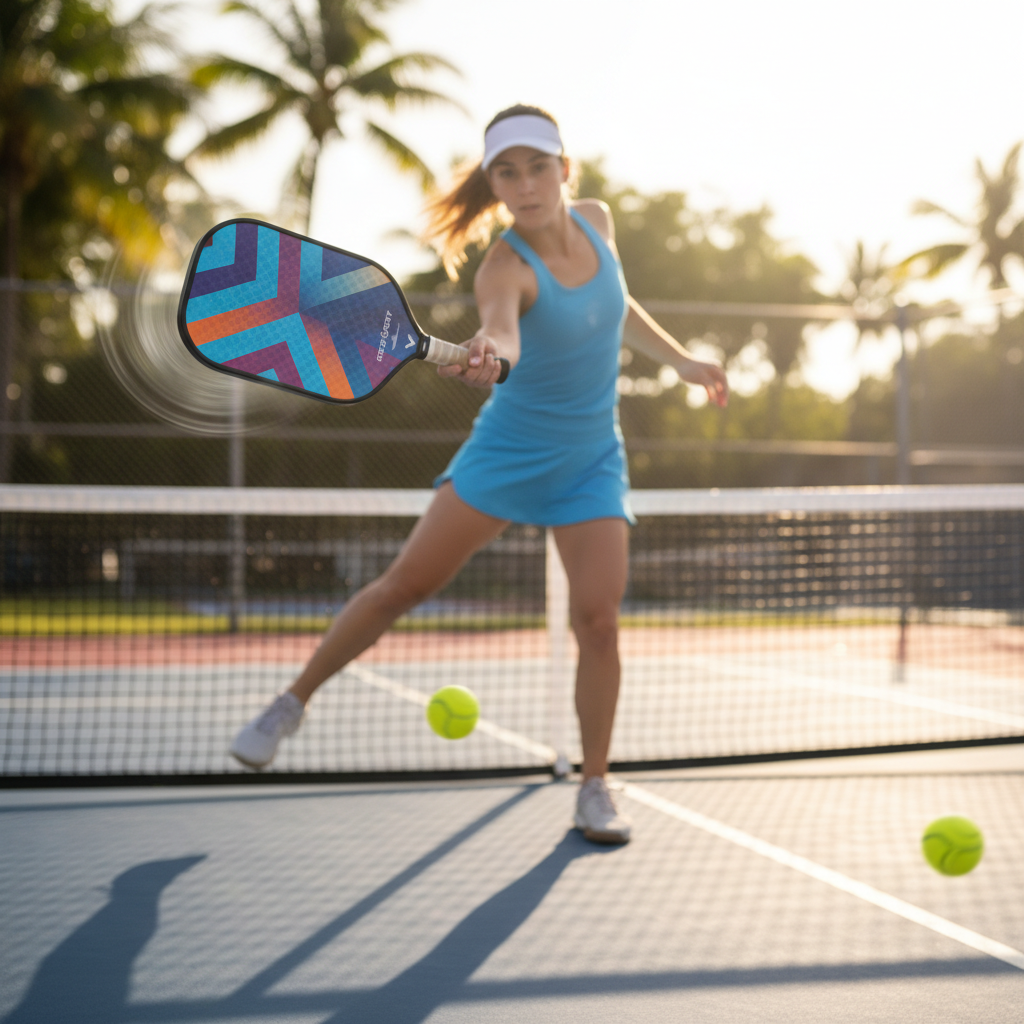
Official certification is a key cost driver in the cheap-versus-premium-paddle market because passing strict USAPA laboratory tests requires high-precision engineering. If you want to play in any sanctioned local or national tournaments your paddle must appear on the approved list. Cheap paddles sold on massive online marketplaces often skip this certification process to save money which makes them illegal.
Why does USAPA approval matter?
Approval ensures that your paddle does not have an illegal trampoline effect or excessive surface roughness that gives an unfair advantage. Think about it:
- Certification guarantees high safety standards.
- Legal paddles are required for tournament entry.
- Laboratory testing confirms material honesty.
- Fair play creates a balanced competitive environment.
Manufacturers must pay thousands of dollars for each model to be sent to independent labs where they are measured. What is the real story?
- Lasers check for perfect surface grit.
- Impact sensors measure the core deflection.
- Calipers verify dimensions are within limits.
- Data logs prove consistent manufacturing quality.
Key Takeaway: Official certification is a mark of quality that proves your paddle was engineered to the highest possible technical standards.
| Feature | Uncertified Paddle | USAPA Approved |
|---|---|---|
| Legal Status | Non-Tournament | Tournament Legal |
| Spec Accuracy | Variable | Guaranteed |
| Value Level | Low | High |
Choosing an approved paddle ensures that you are training with equipment that is allowed at every level of the sport from casual park games to pro matches.
How do you calculate the true return on value?
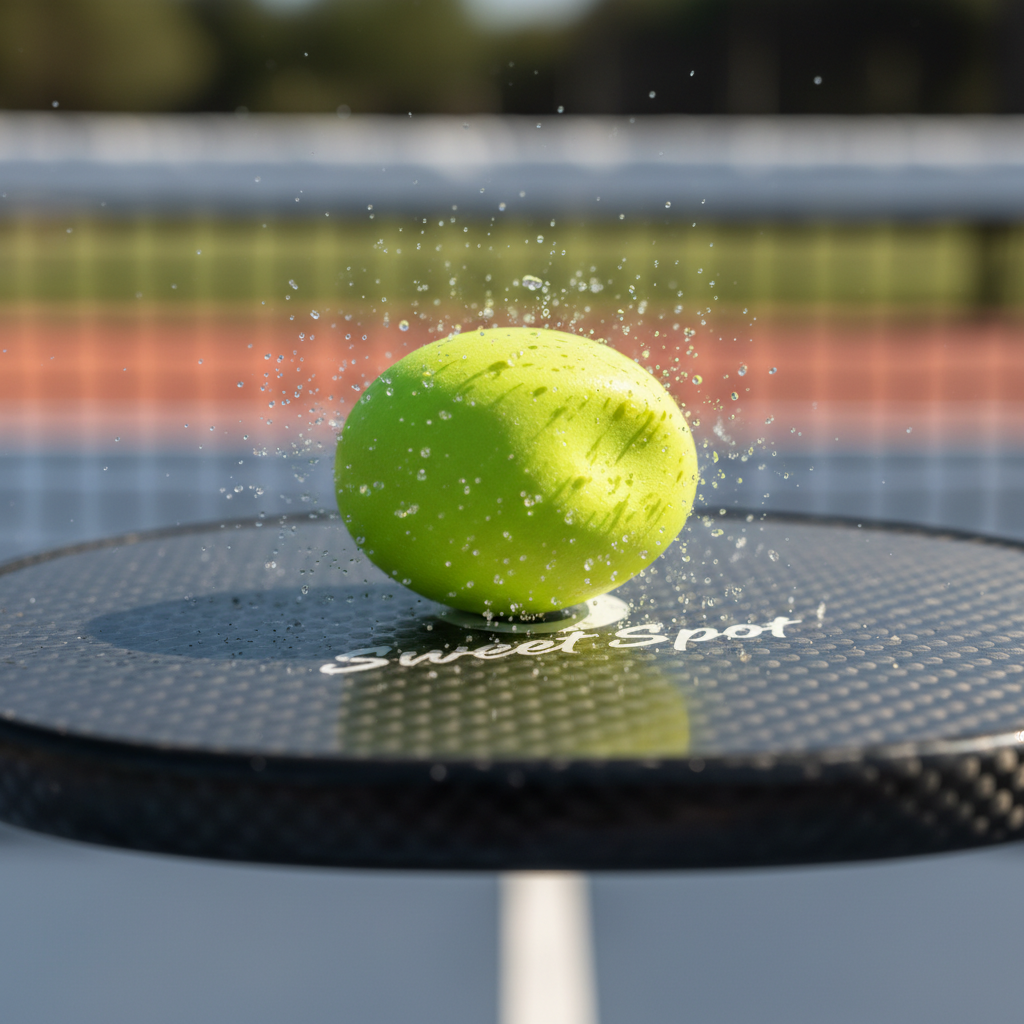
The ultimate value of a cheap-versus-premium-paddle is measured by how much it improves your confidence and enjoyment during every hour you play. A premium paddle acts as a partner that helps you execute difficult shots with ease rather than a limitation. While the initial cost is higher the boost in performance and the reduction in physical fatigue make it the superior choice.
Is the extra $100 really worth it?
If you play two hours of pickleball three times a week a premium paddle only costs you a few cents per hour. Here is the kicker:
- Better gear leads to faster improvement.
- Lower injury risk keeps you on the court.
- Higher resale value protects your cash.
- Pride of ownership increases game enjoyment.
A paddle with a massive sweet spot and elite spin potential can literally turn a losing game into a winning one. Think about it:
- Fewer unforced errors lead to victories.
- Predictable pop allows for aggressive play.
- Lightweight swing speeds up your volleys.
- Balanced feel improves your kitchen resets.
Key Takeaway: A premium paddle is an investment in your health your skill and your overall passion for the fastest growing sport in the world.
| Category | Social Value | Skill Growth | Cost Per Play |
|---|---|---|---|
| Budget Gear | Low | Slow | Higher |
| Premium Gear | High | Fast | Lower |
Investing in high-end equipment shows that you are committed to the sport and gives you the best possible platform to reach your full potential as a competitor.
Frequently Asked Questions
Can I really feel the difference between carbon fiber and fiberglass?
Direct judgment: Yes, the difference is immediate and significant. Carbon fiber feels much stiffer and provides crisper feedback whereas fiberglass has a softer flex that can feel inconsistent during high-speed drives.
What is the most significant material difference in a premium paddle?
Direct judgment: The use of Toray T700 raw carbon fiber is the gold standard. This material provides permanent surface texture and extreme durability compared to the basic composites found in budget models.
Why do cheap paddles lose their pop so quickly?
Direct judgment: Low-cost adhesives and large-cell honeycombs break down under repetitive stress. This causes the internal structure to collapse or delaminate which results in a dead feeling and a loss of energy return.
Is a premium paddle actually more cost-effective for a club owner?
Direct judgment: Absolutely, because premium paddles withstand much higher volumes of play. The lower replacement rate and reduced risk of player injury make high-end gear a much smarter long-term financial investment.
How does thermoforming affect the price of a paddle?
Direct judgment: It increases the price due to the expensive multi-stage molding process and specialized machinery required. However, it creates a unibody structure that is vastly superior in power and longevity compared to cold-pressed alternatives.
Conclusion
Choosing between a cheap-versus-premium-paddle is ultimately a decision about how much you value your performance and your physical health on the court. While budget options might seem attractive for their low price they often lead to frustration through inconsistent play and a much shorter lifespan that requires frequent replacements. Our vision is to empower every player with the highest grade of equipment to ensure the game remains safe, fun, and competitive for everyone. Investing in a high-quality paddle is the fastest way to reduce unforced errors and unlock the spin and power needed to dominate your local matches. If you are ready to stop settling for entry-level gear and want to see what a professional-grade tool can do for your dinks and drives please contact us today. We are here to help you find the perfect match for your skill level and ensure you have the best possible experience every time you step onto the court.