5 Illegal Pickleball Serves to Avoid
Certain serves are illegal because they violate the fundamental underhand nature of the game or provide an unfair advantage that disrupts competitive balance. Handing free points to your opponent due to a technical error is the fastest way to lose momentum during a match. You might feel frustrated when a referee calls a fault on a serve you thought was powerful, but these rules exist to keep the game accessible for everyone. This guide to illegal pickleball serves will help you clean up your mechanics and stay in the rally.
Table of Contents
Why are illegal pickleball serves a major problem?
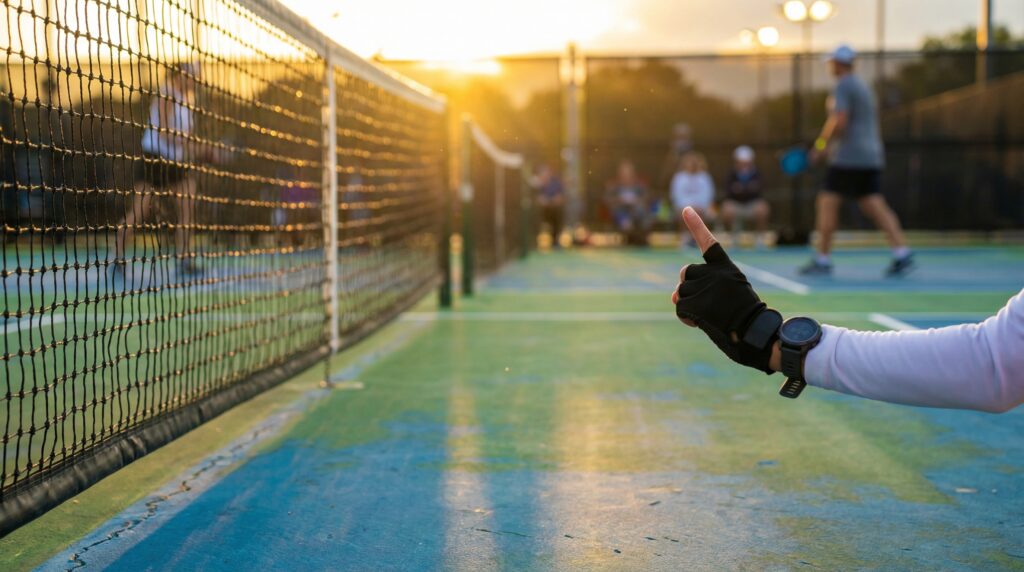
Illegal pickleball serves are a major problem because they result in an immediate side-out, even for those using the best pickleball paddles for beginners. Understanding these rules prevents you from gifting the serve back to your opponents without a fight.
Think about it.
Technical compliance is just as important as the quality of your equipment. If you can’t start the point legally, your expensive paddle won’t help you win.
The Impact of Technical Faults
- Immediate loss of service turn.
- Psychological advantage for the opponent.
- Interruption of game flow and pace.
Key Takeaway: Technical mastery of the serve is the foundation of any winning strategy.
| Fault Category | Consequence | Impact Level |
|---|---|---|
| Technical Motion | Side-out | High |
| Equipment Violation | Fault | Medium |
| Court Positioning | Fault | High |
Maintaining a legal serve ensures that the rally begins on fair terms for both teams.
Is the spin serve one of the illegal pickleball serves?
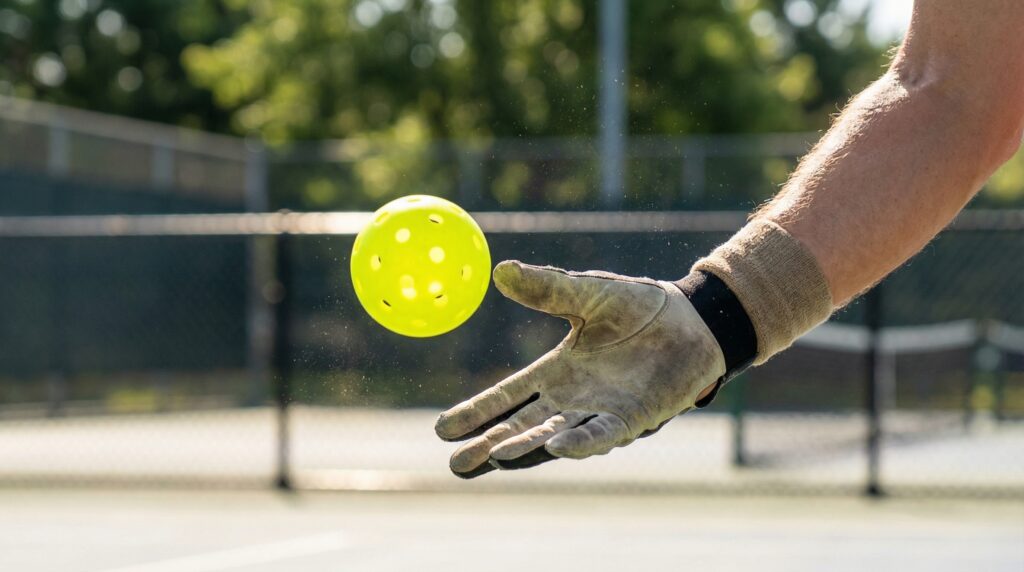
The modern spin serve, involving finger manipulation or “chainsaw” motions, is officially categorized as one of the illegal pickleball serves. You must release the ball from a flat, open palm without adding any pre-contact rotation.
The best part?
This rule change makes the return of serve more about skill than guessing the ball’s erratic movement. You can still generate natural spin with your paddle stroke, but the release itself must be “clean.”
Prohibited Spin Techniques
- Flicking the ball with your fingers.
- Using the paddle to spin the ball before hitting it.
- Releasing the ball from a closed fist.
Key Takeaway: Always use a static, flat hand for your ball release to avoid spin-related faults.
| Technique | Status | Year Banned |
|---|---|---|
| Finger Spin | Illegal | 2023 |
| Chainsaw Serve | Illegal | 2022 |
| Paddle Spin | Illegal | 2023 |
Using a clean release ensures your opponents can’t complain about an unfair advantage.
How do foot faults result in illegal pickleball serves?
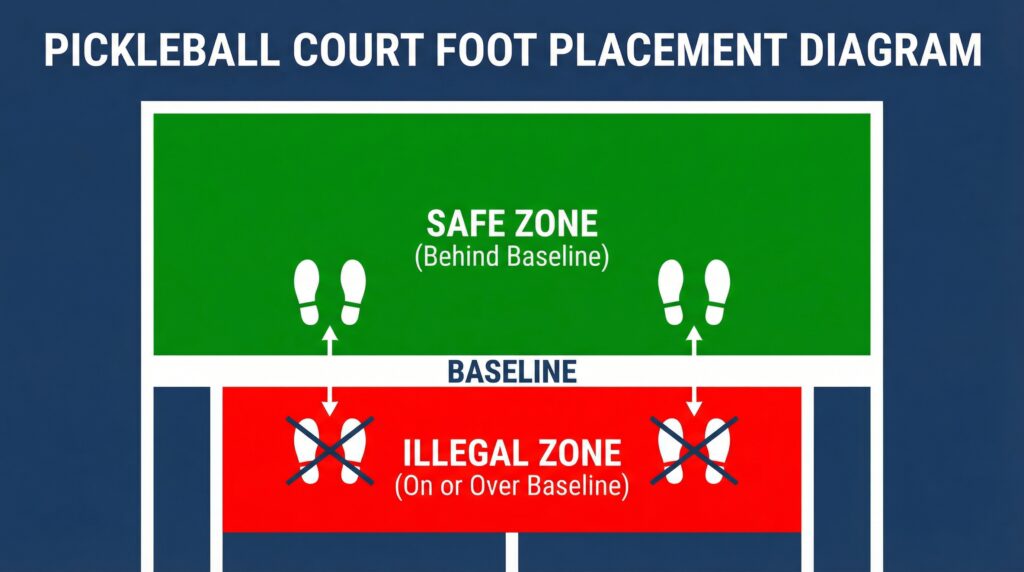
Foot faults result in illegal pickleball serves when a player fails to follow the strict positioning guidelines found in the pickleball serving rules guide. You must keep both feet behind the baseline and within the imaginary extensions of the sidelines and centerline.
Here is the kicker.
Even touching the white paint of the baseline with your toe before contact is a fault. Most players commit this error because they are trying to lean into the court for more power.
Common Foot Positioning Errors
- Stepping on the baseline during the motion.
- Crossing the centerline imaginary extension.
- Having both feet off the ground during contact.
Key Takeaway: Treat the baseline as a “no-touch” zone until the ball has officially left your paddle face.
| Position | Ruling | Penalty |
|---|---|---|
| On the Line | Illegal | Fault |
| Behind the Line | Legal | None |
| Inside the Court | Illegal | Fault |
Proper footwork behind the line is the easiest technical fix to avoid unnecessary service losses.
Why is an overhead shot among illegal pickleball serves?
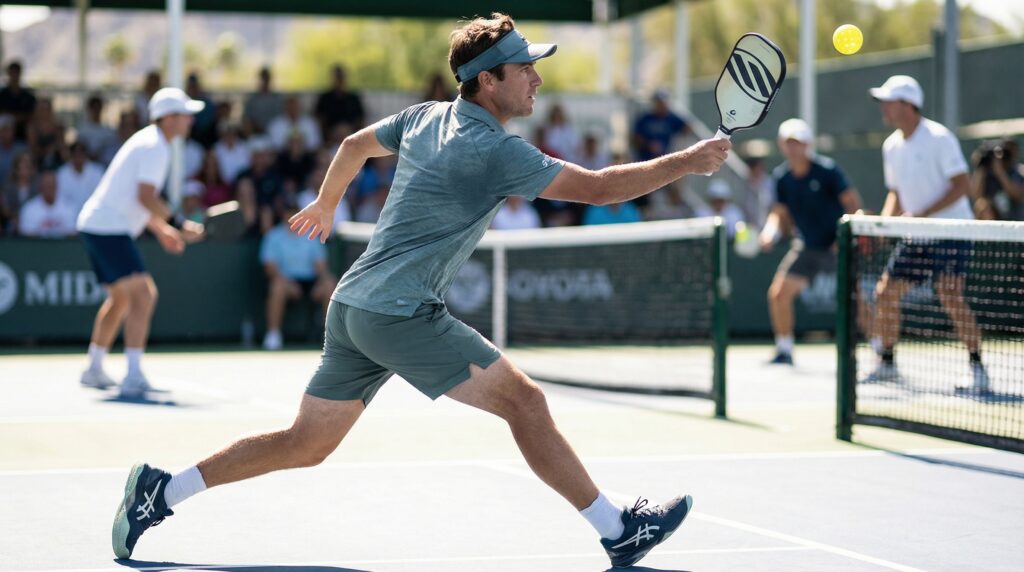
An overhead or overhand motion is strictly forbidden and falls under the umbrella of illegal pickleball serves. The sport requires a “pendulum” swing that moves in a low-to-high arc to prevent the serve from becoming an unreturnable offensive smash.
Let’s be honest.
Tennis players often struggle with this rule the most due to muscle memory. You have to consciously remind yourself to keep the paddle moving upward at the moment of impact.
Underhand Motion Requirements
- The arm must move in an upward arc.
- The paddle head must stay below the wrist.
- Contact must occur below the waistline.
Key Takeaway: Practice the pendulum swing to ensure your serve always has the required upward trajectory.
| Motion | Pickleball Rule | Result |
|---|---|---|
| Overhand Smash | Illegal | Side-out |
| Sidearm Slap | Illegal | Side-out |
| Underhand Arc | Legal | Play On |
A consistent underhand motion keeps the game enjoyable and competitive for all skill levels.
Does paddle angle create illegal pickleball serves?
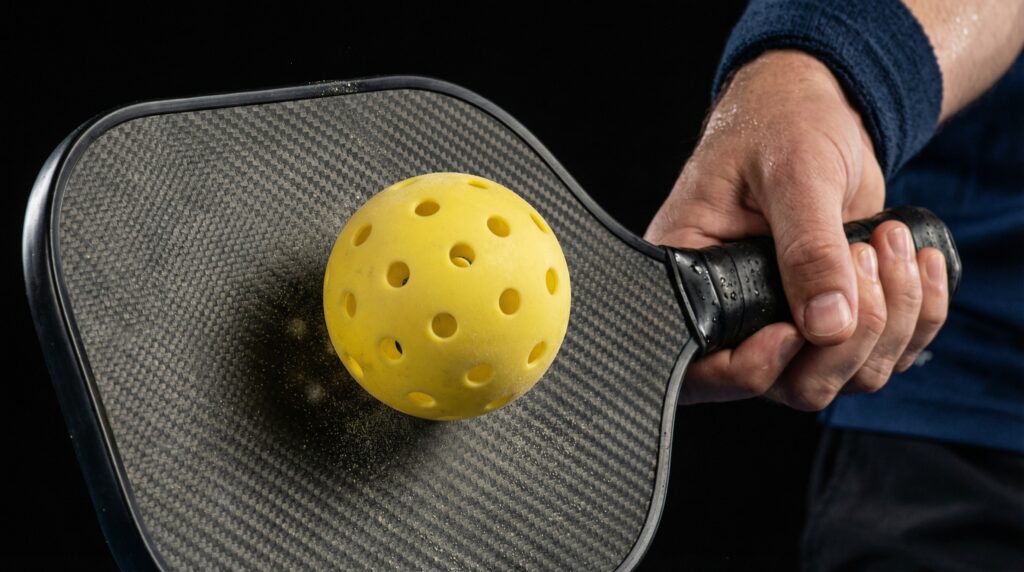
Paddle angle can definitely create illegal pickleball serves if the highest point of the paddle head is above your wrist during contact, even if you know how to spin a pickleball serve legally. This rule prevents sidearm serves that would otherwise generate too much horizontal speed.
Look closely.
Your wrist should be noticeably higher than the tip of your paddle when you strike the ball. This ensures the “underhand” spirit of the rule is maintained throughout the entire swing.
Paddle Positioning Checks
- Paddle head below the wrist.
- Contact point below the navel.
- Upward movement of the entire paddle face.
Key Takeaway: “Hinge” your wrist slightly upward to naturally keep the paddle head in a legal, lower position.
| Angle Check | Requirement | Violation |
|---|---|---|
| Paddle Tip | Below Wrist | Above Wrist |
| Swing Path | Upward | Sideways/Down |
Focusing on the relationship between your wrist and the paddle head will eliminate technical calls.
Is hitting above the waist illegal pickleball serves?
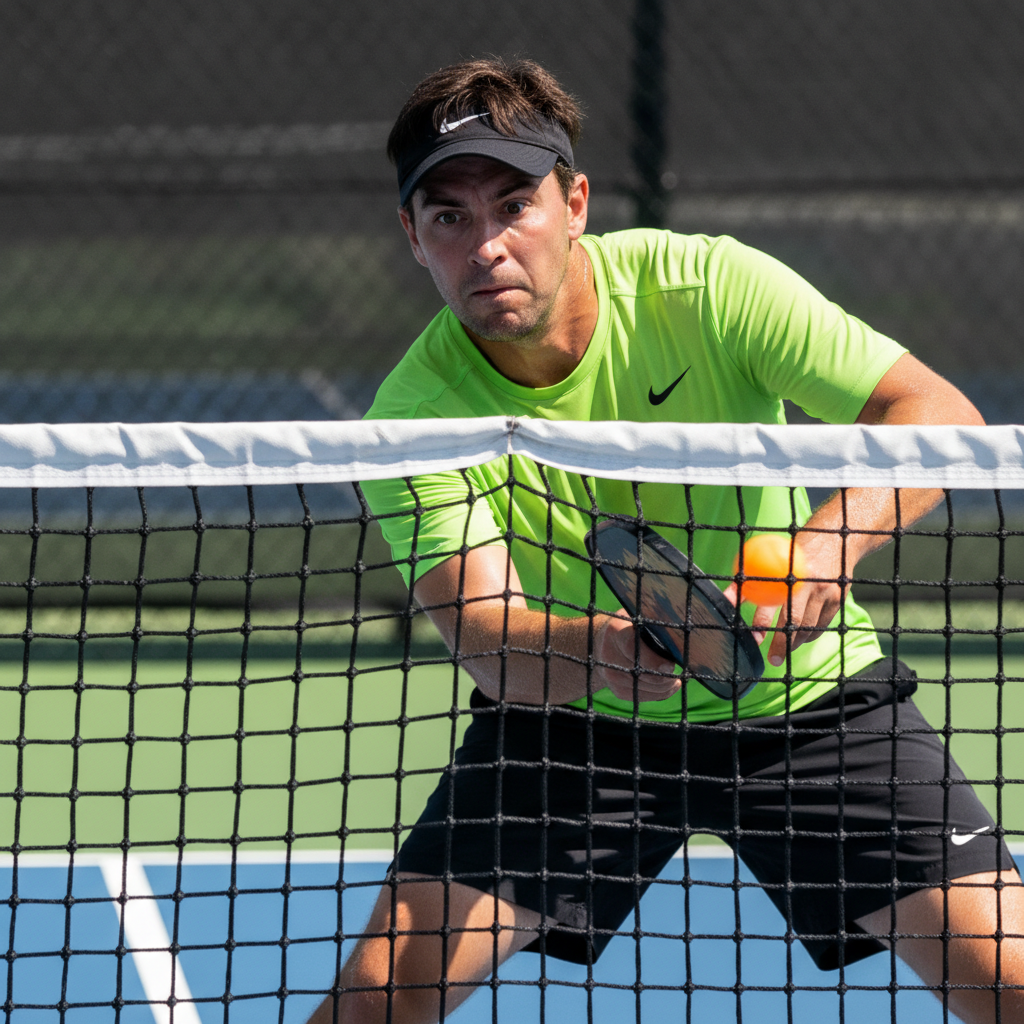
Hitting the ball above the navel is a primary reason for illegal pickleball serves being called by attentive referees. The waist is technically defined as the level of the navel, and contact anywhere higher results in an immediate fault.
Wait, there’s more.
Since navel height varies based on how you stand, it is safest to aim for contact around your hip level. This provides a safety buffer so you don’t accidentally strike the ball too high during an aggressive swing.
Identifying the Legal Contact Zone
- Below the ribcage.
- At or below the navel level.
- Higher than the knees.
Key Takeaway: Aim for contact at hip height to ensure you never cross the illegal waist-level threshold.
| Contact Level | Ruling | Advice |
|---|---|---|
| Above Navel | Illegal | Lower your drop |
| At Navel | Legal | Risky positioning |
| Below Navel | Legal | Safest option |
Striking the ball at the correct height is the most important part of a legal serving motion.
Does service order cause illegal pickleball serves?
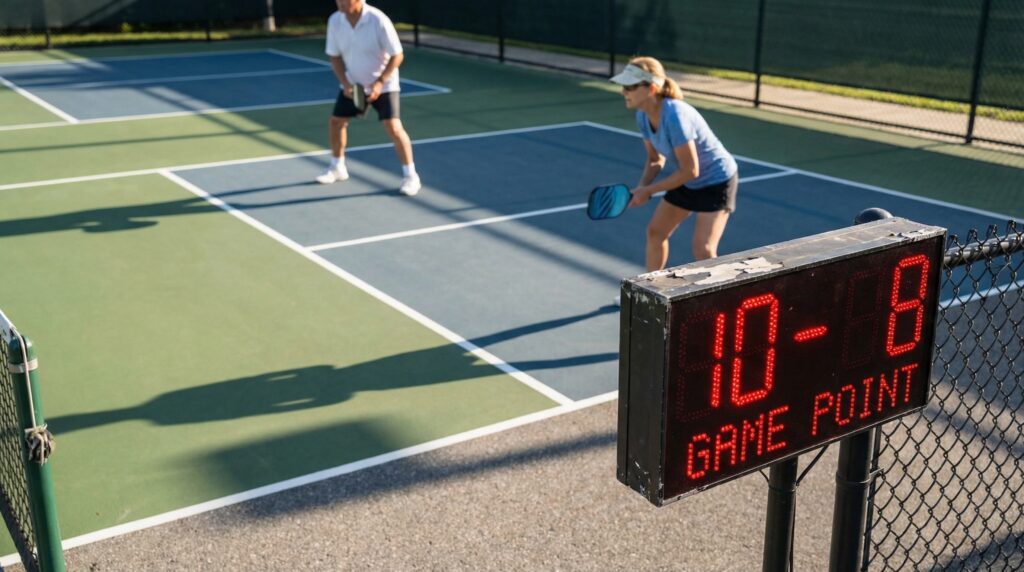
Service order violations lead to illegal pickleball serves when the wrong partner serves or the ball is delivered to the wrong side, as detailed in our guide on pickleball foot faults explained. You must serve from the right side when your score is even and the left side when it is odd.
It sounds simple.
However, many doubles teams lose track of who the “first server” is during long matches. Always confirm the score and your position with your partner before you step up to the baseline.
Service Order Checklist
- Check if the score is even or odd.
- Identify who should be the current server.
- Ensure the receiver is in the diagonal court.
Key Takeaway: Announce the score loudly before every serve to prevent order-related technical faults.
| Team Score | Service Side | Server Status |
|---|---|---|
| Even (0, 2, 4…) | Right Side | Correct |
| Odd (1, 3, 5…) | Left Side | Correct |
Communicating with your partner and the opponents prevents these avoidable procedural errors.
Can court lines trigger illegal pickleball serves?
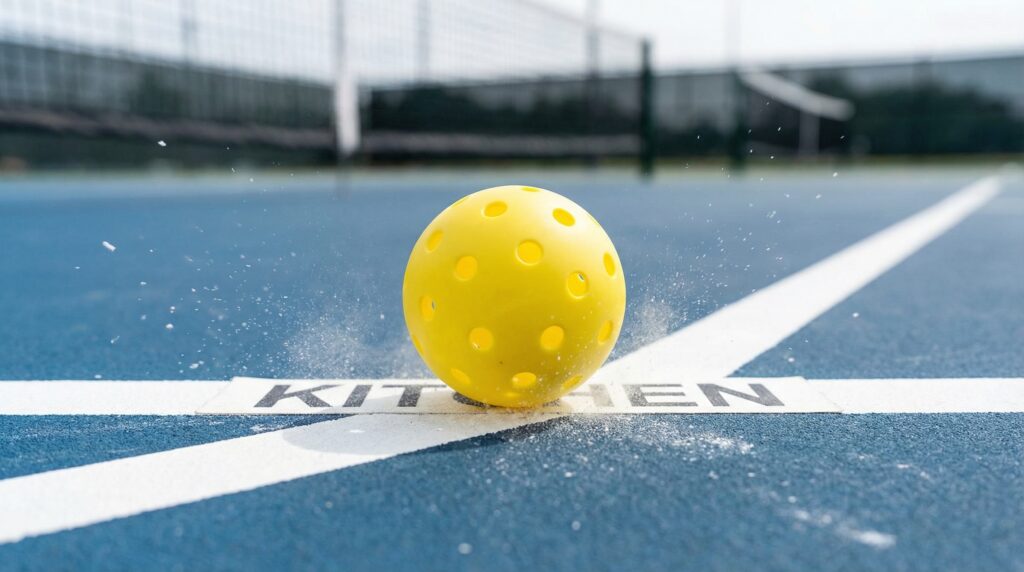
Court lines trigger illegal pickleball serves if the ball touches any part of the Non-Volley Zone (kitchen) line on the serve. Unlike the sidelines or baseline, where hitting the line is “in,” the kitchen line is considered “out” for the service delivery.
Don’t forget.
You must clear the kitchen line entirely for the serve to be valid. Aiming for the very front of the service box is a high-risk move that often leads to this specific fault.
Line Rules for the Serve
- Sidelines: Landing on the line is LEGAL.
- Baseline: Landing on the line is LEGAL.
- Kitchen Line: Landing on the line is ILLEGAL.
Key Takeaway: Treat the kitchen line as a part of the net; if you touch it, the serve is dead.
| Line Type | Serve Result | Comparison |
|---|---|---|
| Sideline | In | Same as rally |
| Baseline | In | Same as rally |
| Kitchen Line | Out | Different from rally |
Knowing which lines are “safe” helps you aim your serves with greater confidence and accuracy.
Why is a flat arc one of the illegal pickleball serves?
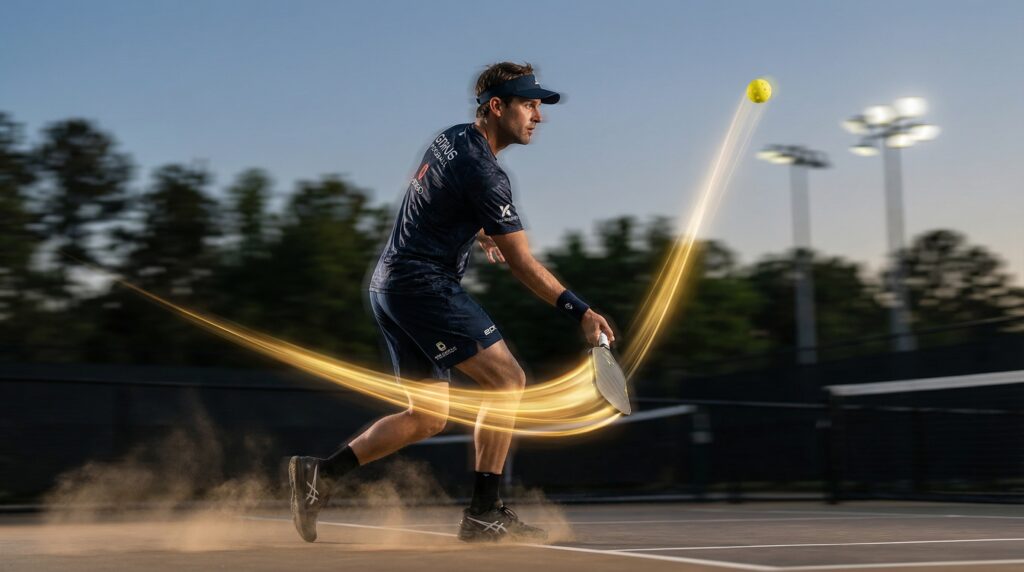
A flat or downward trajectory is classified as one of the illegal pickleball serves because the paddle must be moving in an upward motion at contact. Even if you use the best pickleball paddles for beginners, a “chopping” motion will result in a fault.
Believe it or not.
The rules are designed to prevent “spiking” the serve. You must lift the ball over the net rather than driving it flat or downward into the opponent’s court.
Arc and Trajectory Requirements
- Upward momentum at impact.
- Low-to-high swing path.
- Clear arc over the net.
Key Takeaway: Visualize a “lift” in your swing to ensure you are meeting the upward trajectory requirement.
| Swing Path | Legality | Risk |
|---|---|---|
| Low-to-High | Legal | Very Low |
| Level Drive | Illegal | High |
| High-to-Low | Illegal | Guaranteed Fault |
Mastering the upward arc ensures your serve is both legal and deep in the opponent’s court.
How can you master legal and illegal pickleball serves?
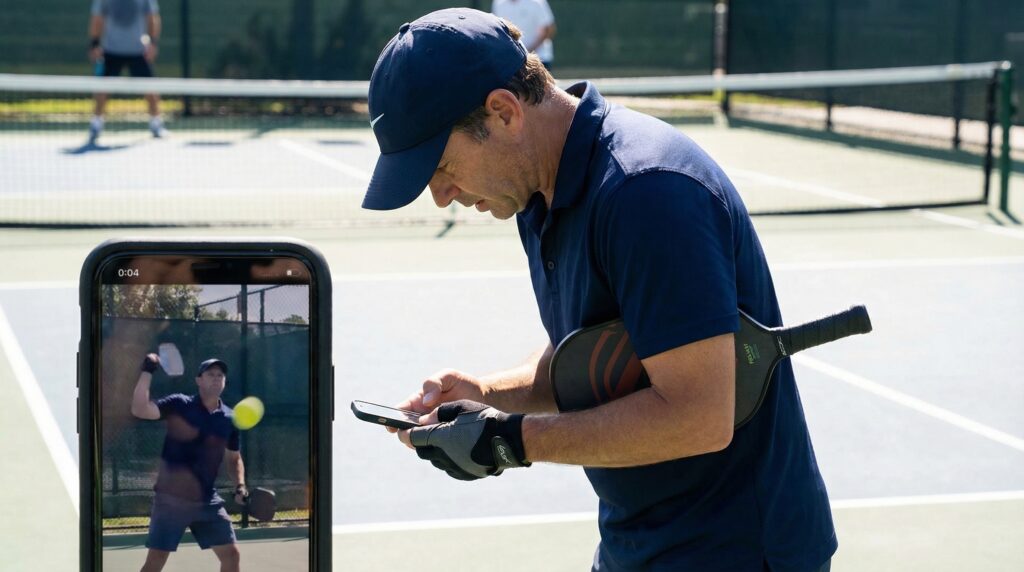
Mastering the difference between legal and illegal pickleball serves takes dedicated practice and an eye for technical detail. Once you understand the mechanics, you can focus on building power and accuracy without fearing the referee’s whistle.
Are you ready?
The best way to improve is to record yourself during practice. Seeing your own arm motion and foot placement on camera will reveal errors you might not feel while playing.
Steps for Service Improvement
- Record your serving motion on a phone.
- Compare your form to the USAP rulebook.
- Practice with a “safety margin” behind the baseline.
Key Takeaway: Video analysis is the most effective tool for self-correcting your service mechanics.
| Practice Method | Primary Benefit | Effectiveness |
|---|---|---|
| Video Review | Identifies faults | High |
| Target Practice | Increases accuracy | Medium |
| Rule Drills | Ensures compliance | High |
Consistent practice with legal form will turn your serve into a reliable weapon rather than a liability.
At Best Pickle Paddle, we are dedicated to helping players of all levels master the nuances of the game through expert advice and top-tier gear. We believe that a deep understanding of the rules is the first step toward becoming a champion on the court. If you want to take your game to the next level or have questions about the right equipment for your style, contact us today.
Frequently Asked Questions
Can I use a two-handed serve in pickleball? Yes, you can use two hands, but both hands must follow the underhand, upward arc, and below-the-waist rules to remain legal.
What’s the best way to avoid foot faults during a match? The best way is to stand several inches behind the baseline to create a safety buffer, ensuring your momentum doesn’t carry you onto the line.
How do I know if my paddle head is below my wrist? You can check this by holding your paddle out in your serving stance; the tip of the paddle should be pointing toward the ground or at a downward angle relative to your forearm.
Can I drop the ball and let it bounce before serving? Yes, this is called a “drop serve,” and if you use it, many of the technical motion rules (like the upward arc) do not apply, though foot faults still count.
What’s the best contact point for a legal serve? The best contact point is generally around hip height, as this ensures you are well below the navel while still having enough room for a full upward swing.