Which is better Kevlar vs carbon fiber pickleball paddle?
Kevlar is generally better for players seeking explosive power and extreme durability, while carbon fiber is superior for lightweight control and vibration dampening. You feel the frustration every time a weak return falls short or a vibration stings your elbow during a long tournament. It shouldn’t be this hard to find the perfect gear for your specific swing, yet the technical jargon often leaves you more confused than when you started. By understanding the core differences between Kevlar vs. Carbon Fiber Pickleball Paddles, you can finally select a surface that complements your strengths and masks your weaknesses on the court.
Choosing the right surface
You should start by identifying whether you win points through brute force or tactical placement. A Kevlar surface offers a stiffer response that rewards aggressive players who like to drive the ball deep into the opponent’s court.
- Stiff surface for high energy return
- High impact resistance for heavy hitters
- Crisp auditory feedback on every strike
- Consistent pop across the sweet spot
Evaluating the carbon alternative
Think about it: carbon fiber provides a more forgiving and stable feel that helps you navigate the complexities of the non-volley zone. You will find that carbon fiber allows for a slower ball speed off the face, which is essential for successful dinking and resets.
- Lightweight construction for fast hands
- Superior vibration damping for joint health
- Granular control for precise shot placement
- Uniform weave for predictable performance
Understanding the hybrid advantage
Believe it or not: many professionals are moving toward hybrid surfaces that blend both materials to eliminate the downsides of a single-fiber construction. You get the ruggedness of Kevlar combined with the refined touch and spin potential typically associated with high-end carbon fiber models.
- Balanced power and control metrics
- Increased surface friction for spin
- Enhanced durability on the edges
- Optimized weight distribution for speed
| Feature | Kevlar Surface | Carbon Fiber Surface |
|---|---|---|
| Primary Benefit | Raw Power | Precision Control |
| Feel | Stiff/Crisp | Soft/Dampened |
The choice between these two materials depends entirely on your specific tactical needs and physical comfort during play.
Key Takeaway You gain a competitive edge by matching your paddle material to your primary shot type, ensuring your equipment works with your body rather than against it.
Who wins Kevlar vs. Carbon Fiber Pickleball Paddles?
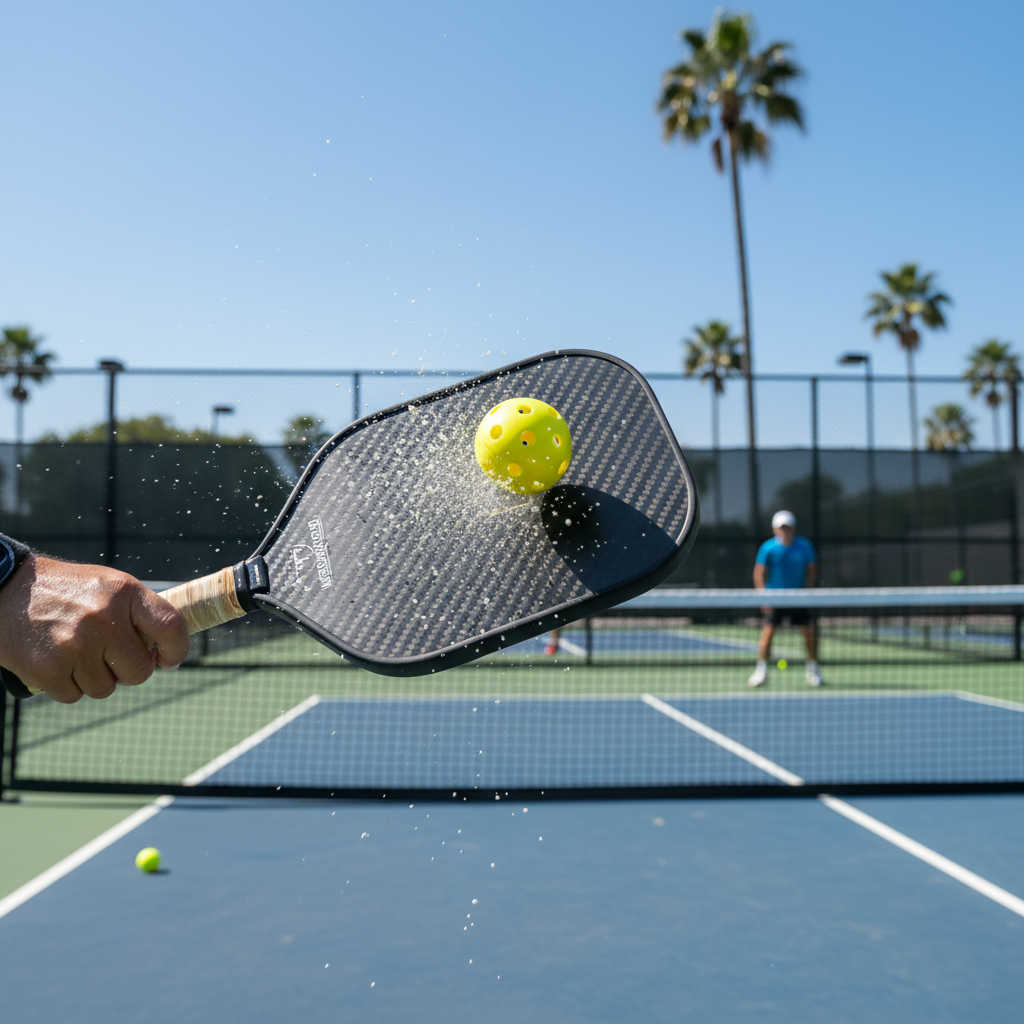
The winner is determined by your personal playing style and whether you prioritize a stiff, powerful face or a soft, consistent response. You need to analyze your typical match to see where you struggle most, whether it is finishing points or defending against hard attacks. Carbon fiber is currently the industry standard for general play, but Kevlar is rapidly gaining ground among those who demand more “pop” from their equipment.
Analyzing the power dynamic
Look at this: Kevlar’s molecular structure allows it to resist deformation, meaning more energy from your swing goes directly into the ball. You will notice a significant increase in ball velocity during overhead smashes and baseline drives when using a high-quality Kevlar face.
- Direct energy transfer to the ball
- Reduced paddle face “flex” on impact
- Heavier ball feel for aggressive drives
- Dominant performance in power exchanges
Comparing the touch response
The truth is: carbon fiber excels in the “soft game” because the material naturally absorbs a portion of the ball’s kinetic energy. This allows you to “catch” the ball slightly on the paddle face, giving you the split-second needed to guide it into a specific corner.
- Excellent for third-shot drops
- Reduced unforced errors at the net
- Stable response on off-center hits
- Predictable trajectory for finesse shots
Defining the speed winner
Check this out: carbon fiber is almost always the winner in terms of pure maneuverability due to its incredible strength-to-weight ratio. You can move your hands faster at the kitchen line, which is often the difference between winning a reflex volley and being caught out of position.
- Fastest reaction times in volley battles
- Less strain on the wrist and forearm
- Aerodynamic profiles for quick swings
- Ideal for players with high hand speed
| Performance Area | Kevlar Winner | Carbon Fiber Winner |
|---|---|---|
| Hand Speed | No | Yes |
| Smash Power | Yes | No |
Selecting a winner requires you to be honest about your skill level and what part of your game needs the most technological assistance.
Key Takeaway You should choose carbon fiber if you want to improve your defense and net play, or opt for Kevlar if you want to maximize your offensive capabilities.
Why choose Kevlar vs. Carbon Fiber Pickleball Paddles?
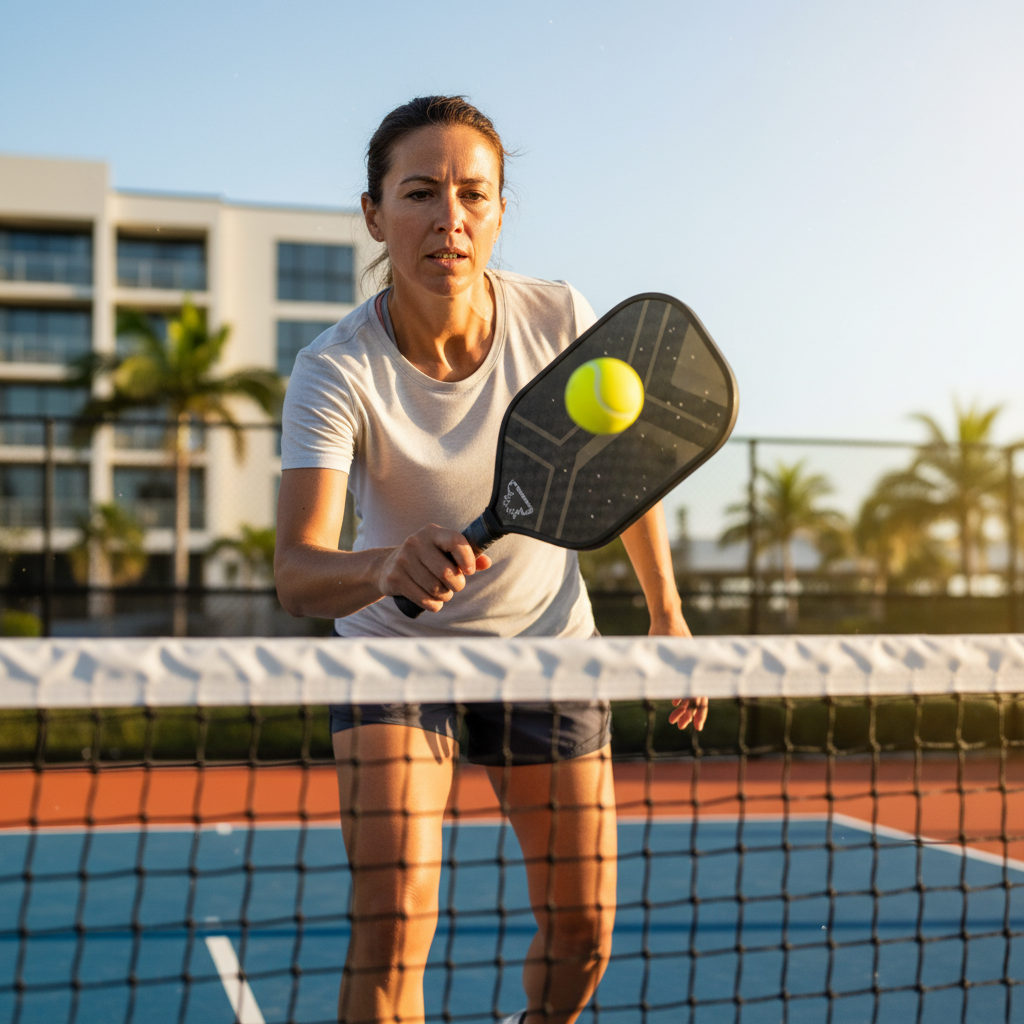
You should select Kevlar for its extreme resilience against hard hits and carbon fiber for its unrivaled strength-to-weight ratio and maneuverability. Deciding on Kevlar vs. Carbon Fiber Pickleball Paddles involves balancing your need for equipment longevity against the desire for a lighter, faster paddle. You may find that your current paddle is holding you back because it doesn’t offer enough feedback or because it feels too sluggish in your hands during fast exchanges.
The benefits of rugged fiber
Imagine this: Kevlar was originally designed for bulletproof vests and aerospace components, so it handles the stresses of high-speed pickleball without breaking a sweat. You won’t have to worry about your paddle losing its structural integrity or developing dead spots after just a few months of heavy competitive use.
- Superior resistance to surface cracks
- Maintains “new paddle” feel longer
- Handles extreme temperature changes well
- Tough enough for aggressive ground strokes
Why carbon fiber is standard
Here is why: the majority of top-tier professional paddles use carbon fiber because it offers the most balanced performance profile available today. You get a paddle that is strong enough to last a full season but light enough to prevent fatigue during long tournament days.
- Proven performance at the highest levels
- Available in various weave densities (3K, 12K, etc.)
- Easiest material for manufacturers to texture
- Most familiar feel for veteran players
Weight and swing speed
Best of all: carbon fiber’s low density means that manufacturers can add more core material or edge protection without making the paddle feel like a brick. You can enjoy a 16mm thick core for maximum control while still maintaining a total weight that feels agile and responsive in your grip.
- Customizable swing weight options
- Higher maneuverability at the net
- Reduces the risk of muscle fatigue
- Promotes a more natural swing arc
| Factor | Kevlar Choice | Carbon Fiber Choice |
|---|---|---|
| Material Origin | Ballistics/Aerospace | High-Performance Racing |
| Primary Goal | Extreme Toughness | Balanced Performance |
Your decision to switch materials could be the catalyst that takes your game from an intermediate level to a competitive tournament standard.
Key Takeaway You deserve equipment that matches your dedication to the sport, and choosing between these fibers is the first step toward a customized playing experience.
Is power better in Kevlar vs. Carbon Fiber Pickleball Paddles?
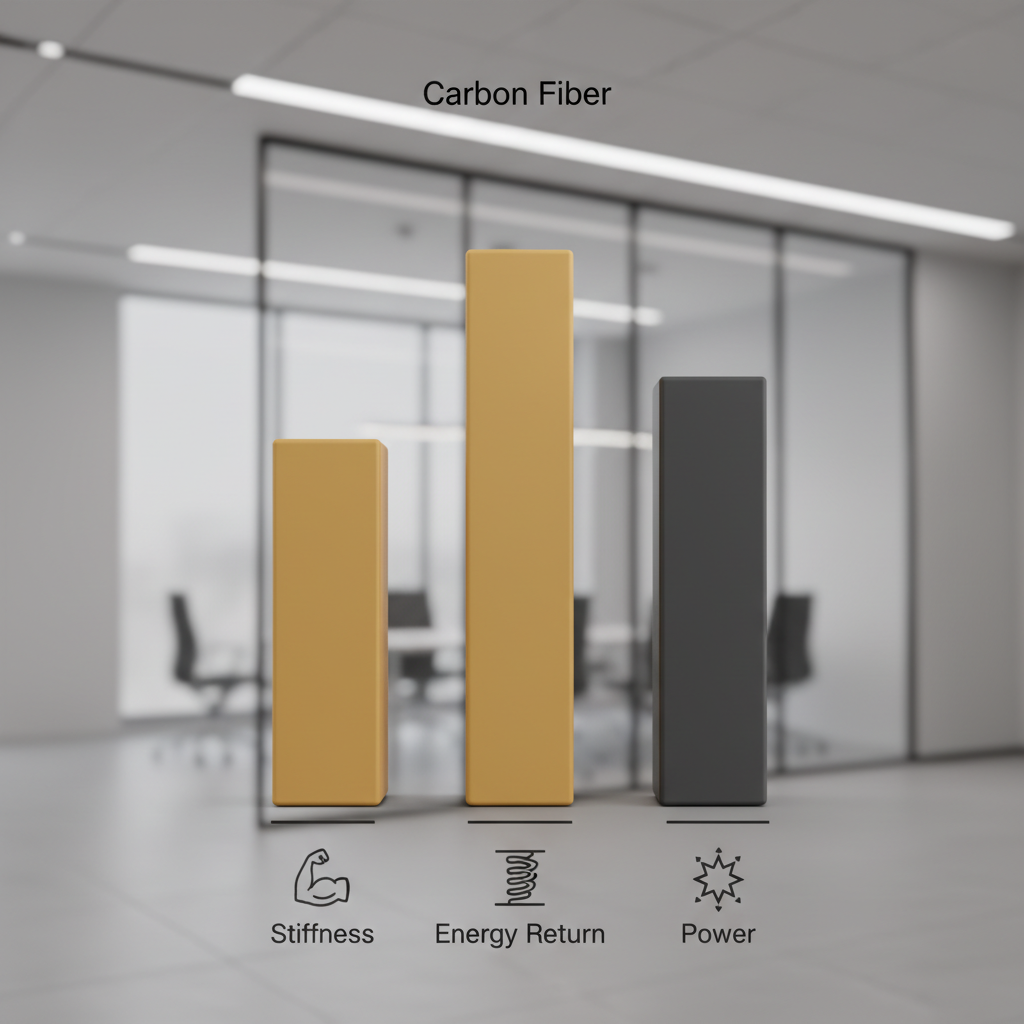
Kevlar generally offers higher energy return and a stiffer surface, making it the preferred choice for players who want to maximize their drive velocity. When comparing Kevlar vs. Carbon Fiber Pickleball Paddles, you will notice that the ball seems to “jump” off the Kevlar face with significantly more force. Many aggressive players opt for a Kevlar vs. Carbon Fiber Pickleball Paddles hybrid to get a boost in power without sacrificing every bit of their touch.
Maximizing drive velocity
The result? Kevlar’s rigid nature ensures that the energy from your swing goes directly into moving the ball forward rather than being absorbed by the paddle. You can hit deeper drives that keep your opponents pinned to the baseline, making it much harder for them to transition to the kitchen.
- Higher ball exit speeds on drives
- Enhanced power for overhead smashes
- Reduced energy loss on impact
- Stiffer face for immediate ball rebound
Energy transfer efficiency
Listen to this: the stiffness of the material determines how much “trampoline effect” the paddle face provides during a high-speed collision. While carbon fiber offers a great deal of power, it is often more linear, whereas Kevlar feels like it actively propels the ball away.
- Mechanical energy return is superior
- Crisp feel that aids in power timing
- Stable platform for heavy returns
- Reduced paddle flex during hard hits
Impact on baseline play
Look at this: if you struggle to finish points from the back of the court, a material upgrade can provide the extra 5-10% of power you need. You will find that you don’t have to swing as hard to achieve the same depth, which allows you to focus more on your accuracy and footwork.
- Easier to achieve baseline depth
- More intimidating serves and returns
- Better performance against hard hitters
- Consistency in power output
| Power Metric | Kevlar Rating | Carbon Fiber Rating |
|---|---|---|
| Energy Return | 10/10 | 8/10 |
| Ball Exit Speed | Maximum | High |
Kevlar is the undisputed king of raw power, providing the structural rigidity needed to overwhelm opponents with pure ball speed.
Key Takeaway You can unlock a new level of offensive pressure by switching to a stiffer Kevlar face that maximizes your energy transfer on every swing.
Does spin change with Kevlar vs. Carbon Fiber Pickleball Paddles?
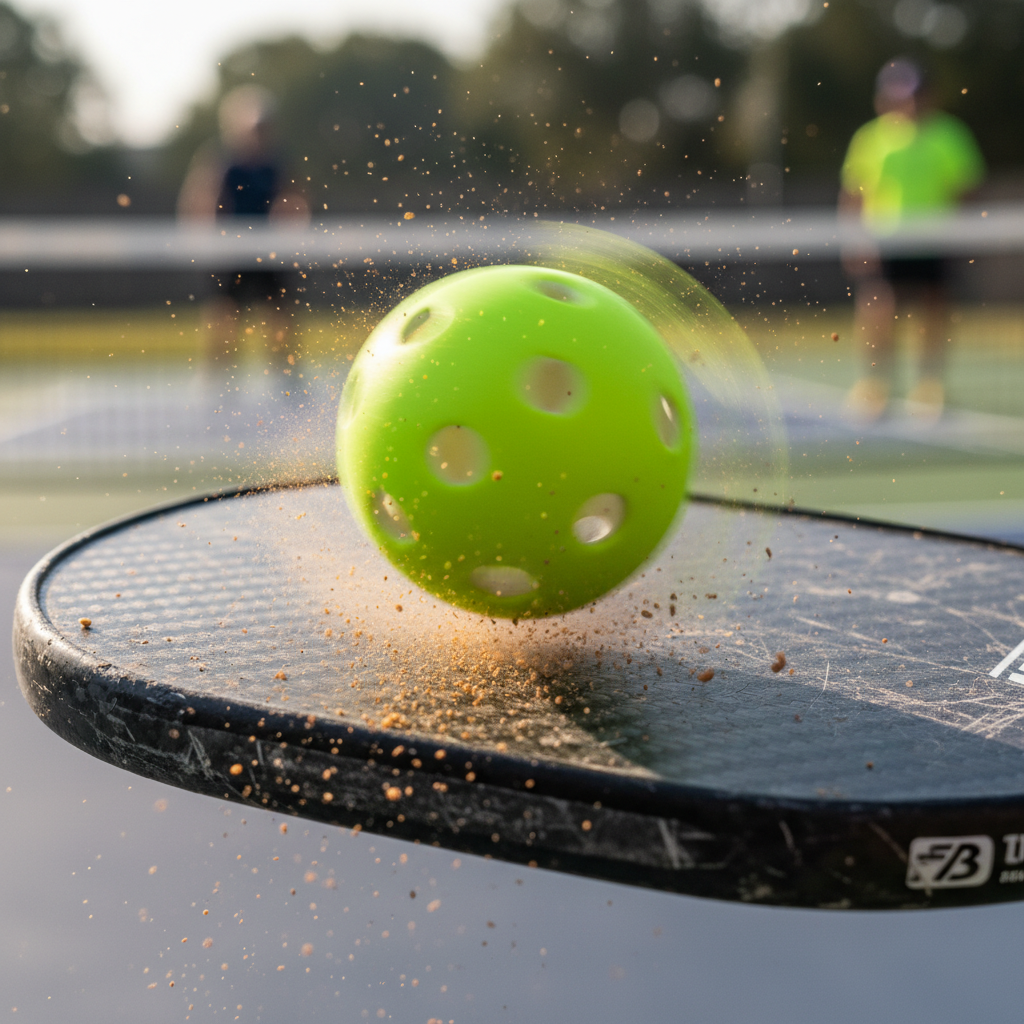
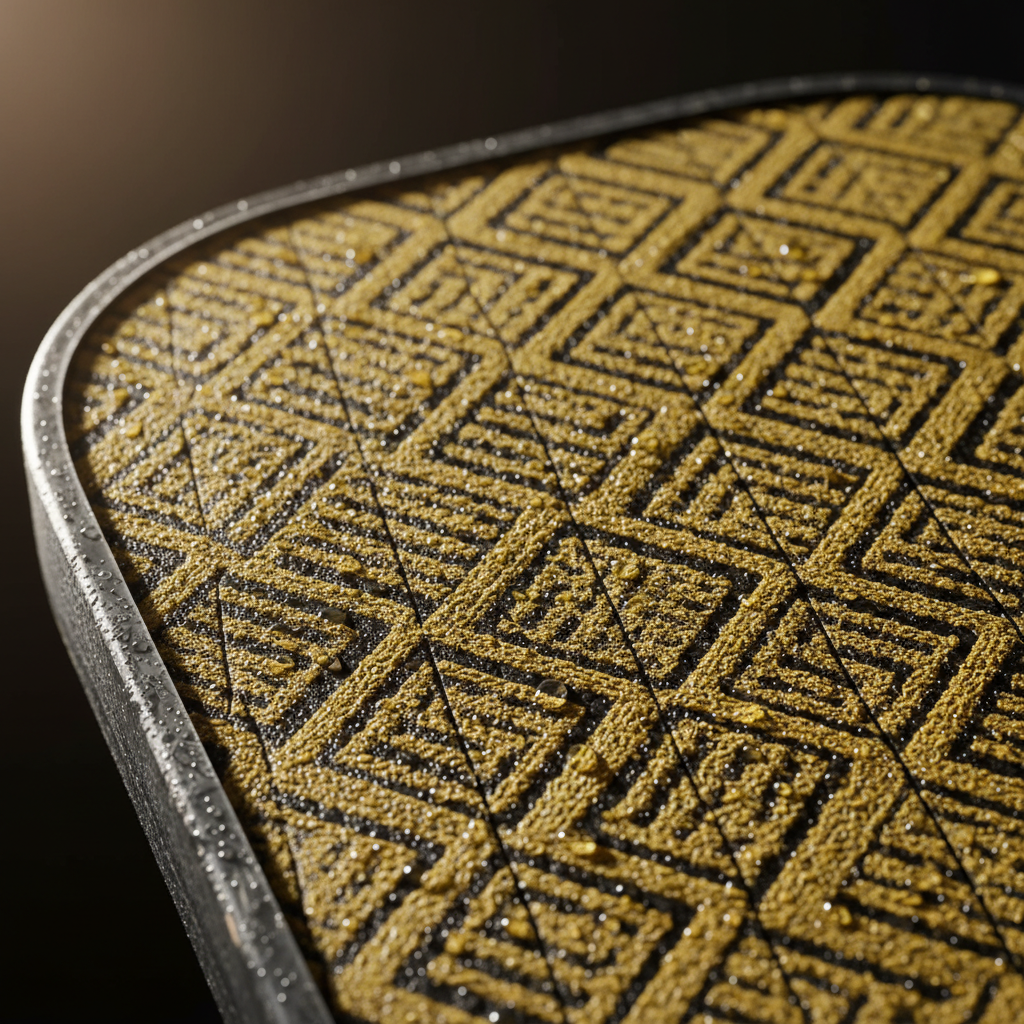
Carbon fiber often facilitates more aggressive spin due to the specialized gritty textures and friction-enhancing coatings that manufacturers apply to the surface. Analyzing Kevlar vs. Carbon Fiber Pickleball Paddles reveals that the ability to “grab” the ball is crucial for players who use top spin to keep their drives in play. Carbon fiber remains the industry leader for creating the friction needed to rotate the ball during complex serves and slices.
Surface grit and friction
Think about it: the microscopic weave of carbon fiber creates a naturally textured surface that acts like sandpaper against the plastic ball. You will notice that the ball stays on the face a fraction of a second longer, allowing you to “brush” the ball and generate heavy rotation.
- Enhanced ball-to-paddle friction
- Longer dwell time for spin generation
- Superior grit retention over time
- Ideal for heavy topspin drives
How Kevlar handles spin
The truth is: while Kevlar is smoother by nature, modern manufacturers use a cross-weave pattern to create mechanical grip. You can still generate impressive spin with Kevlar, but it often requires a faster swing speed and a more precise upward motion to achieve the same results as carbon.
- Mechanical grip via textured weave
- Predictable spin on slices and cuts
- High stability during rotating shots
- Consistent texture across the face
Spin and ball control
Check this out: spin isn’t just for flashy shots; it is a defensive tool that helps you keep the ball low and unattackable. You will find that a high-friction carbon face allows you to hit harder while still keeping the ball within the court boundaries thanks to the dipping effect of topspin.
- Keeps aggressive drives inside the lines
- Forces opponents to hit upward
- Enhances the effectiveness of serves
- Increases the “bite” on soft dinks
| Spin Component | Kevlar Capability | Carbon Fiber Capability |
|---|---|---|
| Surface Friction | Moderate | High |
| Spin Type | Mechanical | Texture-Based |
Carbon fiber is the superior choice for spin specialists who rely on heavy rotation to control the pace and trajectory of the match.
Key Takeaway You will find it easier to manipulate the ball’s flight path with a carbon fiber surface that maximizes friction and dwell time.
Is feel better in Kevlar vs. Carbon Fiber Pickleball Paddles?
Carbon fiber is widely considered to have a superior feel because it absorbs impact shock and provides a more forgiving “dwell time” during contact. Evaluating Kevlar vs. Carbon Fiber Pickleball Paddles shows that a “forgiving” paddle can help you reset hard drives into soft, unattackable dinks. Utilizing a Kevlar vs. Carbon Fiber Pickleball Paddles construction can offer a very stable feel that builds confidence at the net.
Damping for better touch
Believe it or not: the way a paddle vibrates in your hand tells your brain exactly how much force was applied to the ball. Carbon fiber excels at soaking up harsh frequencies, leaving you with a “muted” but clear sensation that is perfect for the finesse-heavy parts of the game.
- Reduces the “jarring” feeling on hard hits
- Provides a softer touch for net play
- Decreases hand and wrist fatigue
- Enhances sensory feedback for dinking
Understanding the pop factor
Imagine this: Kevlar provides a distinct “pop” that many advanced players love for its crisp feedback and immediate response. You will know exactly when you’ve hit the sweet spot because of the sharp sound and solid feel of the impact, which can help you time your shots more effectively.
- Sharp and clear auditory feedback
- Instantaneous response off the face
- High tactical awareness of impact
- Solid and connected feeling to the ball
Confidence in the kitchen
Here is why: when you are standing at the kitchen line, you need to trust that your paddle will react consistently every time. You will find that carbon fiber offers a more uniform feel across the entire face, reducing the chance of a “hot spot” or a “dead zone” ruining your touch.
- Consistent response on every dink
- Predictable ball flight on resets
- Large and forgiving sweet spot
- Smooth transition from power to touch
| Feel Metric | Kevlar Rating | Carbon Fiber Rating |
|---|---|---|
| Shock Absorption | 6/10 | 9/10 |
| Touch/Softness | 7/10 | 10/10 |
Carbon fiber provides the cushioned feel necessary for a high-level soft game, while Kevlar offers the crisp feedback that power players crave.
Key Takeaway You should prioritize carbon fiber if you value a soft, dampened feel that helps you control the ball’s pace with minimal effort.
What is the cost of Kevlar vs. Carbon Fiber Pickleball Paddles?
Carbon fiber models are usually more affordable and widely available, while Kevlar options tend to sit at a premium price point due to complex manufacturing. Budgeting for Kevlar vs. Carbon Fiber Pickleball Paddles requires you to think about the total value over the entire lifespan of the equipment. You may find that paying more upfront for a premium material saves you money on replacements later down the road.
Price vs Performance value
The result? Carbon fiber provides incredible performance at a wide variety of price points, from entry-level to professional tournament gear. You can easily find a high-quality carbon fiber paddle that fits your budget without compromising on the essential features needed to compete at a high level.
- Extensive range of price options
- High market availability for all budgets
- Excellent entry-level professional gear
- Standardized quality across brands
Why Kevlar costs more
Listen to this: Kevlar is famously difficult to cut and process, requiring specialized tools and slower manufacturing times to ensure a perfect finish. These added production costs mean that Kevlar paddles are almost always positioned as high-end, premium investments for the serious player who wants the best.
- Requires specialized industrial cutting
- Lower production volume per batch
- Premium material sourcing costs
- Advanced molding and bonding techniques
Long-term investment strategy
Look at this: if you play three or four times a week, a cheaper paddle might wear out in six months, while a premium Kevlar model could last two years. You should calculate your “cost per game” to see if the higher initial price of a Kevlar paddle actually makes it the more economical choice in the long run.
- High durability justifies the cost
- Less frequent need for replacements
- Maintains resale value better
- Premium warranty often included
| Price Category | Kevlar Expected | Carbon Fiber Expected |
|---|---|---|
| Entry Level | Rare | $60 – $120 |
| Professional | $180 – $250+ | $130 – $220 |
Carbon fiber is the better choice for the budget-conscious player, whereas Kevlar is a luxury investment for those seeking maximum durability.
Key Takeaway You can find high-performance carbon fiber at almost any price point, but Kevlar is the go-to for players who want a “buy it once” premium experience.
Which lasts in Kevlar vs. Carbon Fiber Pickleball Paddles?
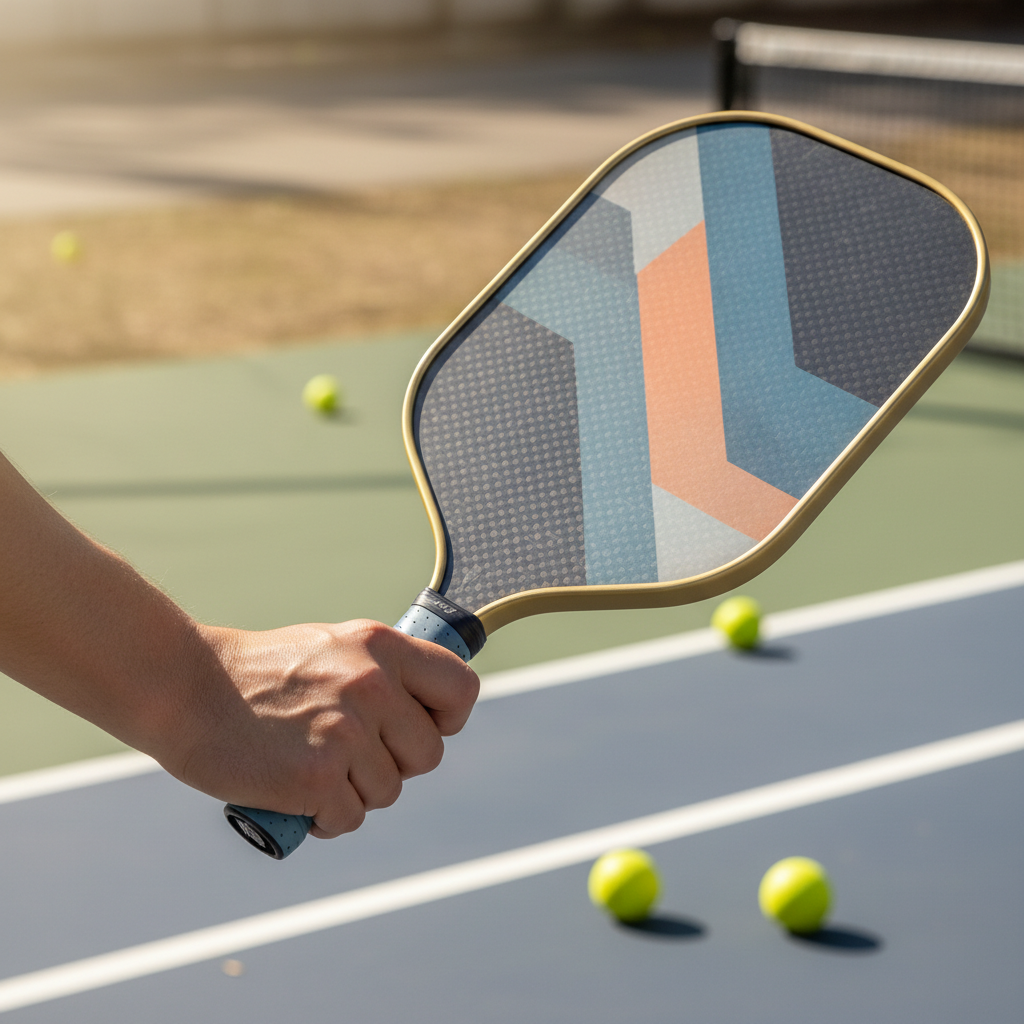
Kevlar lasts longer because it is much more resistant to cracks and heavy impacts than other fibers. When you look at the long-term wear of Kevlar vs. Carbon Fiber Pickleball Paddles, you see that Kevlar maintains its structural integrity far better. Using a Kevlar vs. Carbon Fiber Pickleball Paddles face ensures your paddle won’t lose its effectiveness even after months of daily use.
Impact resistance and wear
Best of all: Kevlar was built to withstand extreme forces, which translates to a paddle surface that is virtually indestructible under normal playing conditions. You can dive for balls and strike hard with total confidence that your equipment will hold up, even if you accidentally scrape the court surface.
- Immune to surface micro-cracking
- Protects the internal honeycomb core
- High resistance to edge guard separation
- Maintains consistent tension for years
Structural integrity over time
Think about it: even though carbon fiber is very strong, it can eventually become brittle after years of repeated high-velocity impacts. Kevlar remains flexible and tough, ensuring the internal core stays protected and the sweet spot remains consistent for much longer than traditional materials.
- Durable sweet spot performance
- Prevents core degradation
- Maintains original aerodynamic shape
- Resistant to delamination issues
Weather and environment durability
The truth is: Kevlar is less sensitive to extreme heat and cold, which can often cause other materials to expand or contract and lose their “pop.” You will find that your Kevlar paddle performs the same on a freezing winter morning as it does on a blistering summer afternoon in the sun.
- Handles UV exposure without fading
- Stable in high-humidity environments
- Resistant to moisture absorption
- Maintains grip texture in all weather
| Durability Area | Kevlar Rating | Carbon Fiber Rating |
|---|---|---|
| Impact Shielding | Superior | High |
| Fatigue Life | Extreme | Standard |
Kevlar is the ultimate choice for players who want a single paddle to last through years of intense competitive play without performance drops.
Key Takeaway You can trust Kevlar to withstand the most aggressive play styles, ensuring your investment remains in peak condition for the long haul.
Are hybrids used in Kevlar vs. Carbon Fiber Pickleball Paddles?
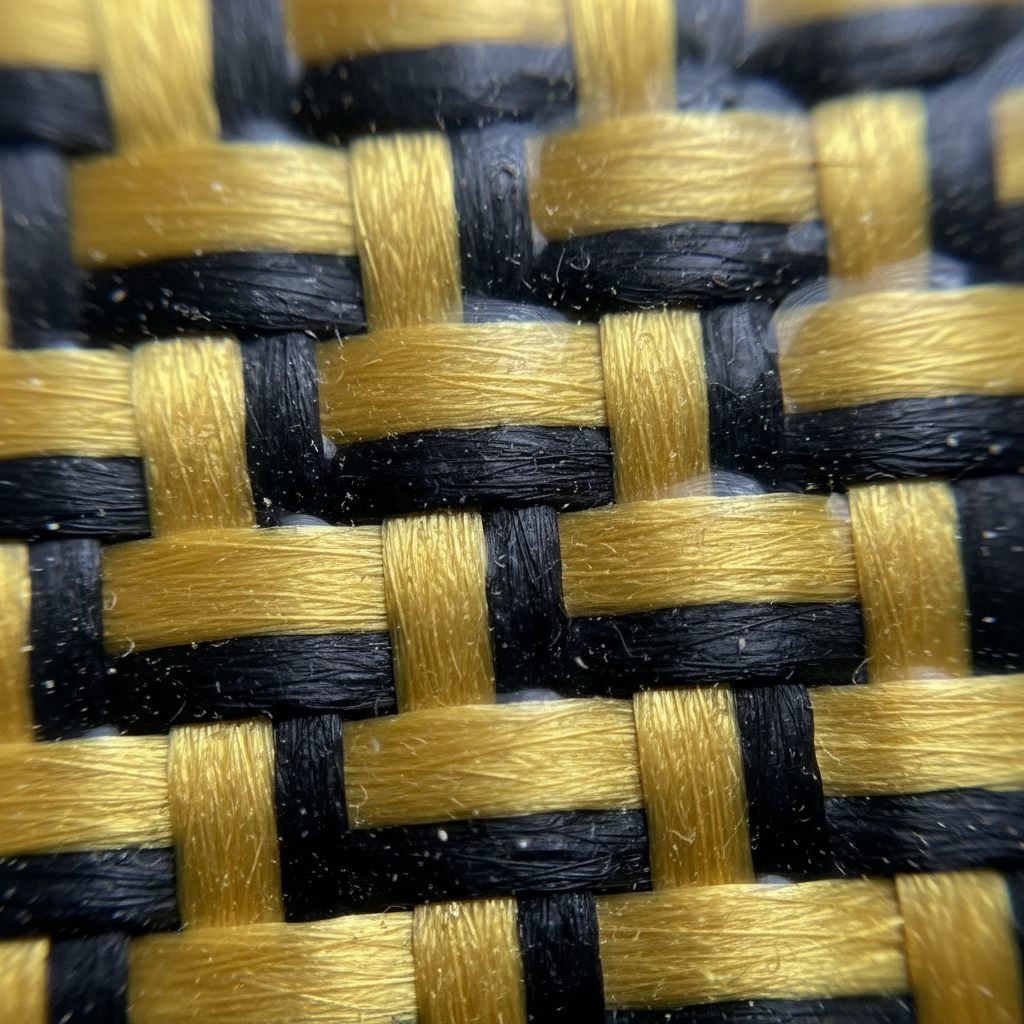
Yes, many modern designs utilize a hybrid blend to capture the explosive energy return of Kevlar while maintaining the precision and grit of carbon fiber. Finding a balance in Kevlar vs. Carbon Fiber Pickleball Paddles is often best achieved by weaving both fibers into a single composite layer. This creates a versatile playing surface that adapts to both your power drives and your delicate kitchen resets without forcing you to choose one over the other.
Blending for the perfect balance
Check this out: hybrid paddles are designed to eliminate the weaknesses of both materials while highlighting their strengths in a single package. You get the incredible toughness of Kevlar on the outer edges where impacts are most common, and the pinpoint accuracy of carbon fiber in the center.
- Optimized weight for fast reflexes
- Balanced power and touch profile
- Increased surface versatility for all shots
- Unique aesthetic and weave patterns
The rise of the hybrid model
Imagine this: the newest generation of paddles uses a complex cross-weave that allows the ball to sink into the carbon fiber for spin before rebounding off the Kevlar. This “best of both worlds” approach is quickly becoming the favorite for all-around competitive players who need to play every part of the court.
- Enhanced dwell time for spin control
- Crisp but soft impact sensation
- Maximized sweet spot for consistency
- Superior overall performance metrics
Customizing the playing experience
Here is why: by varying the ratio of Kevlar to carbon fiber, manufacturers can create paddles that lean more toward power or more toward control. You will find that some hybrids are 70% carbon for a softer feel, while others use more Kevlar to cater to aggressive baseline attackers.
- Targeted performance for specific styles
- Fine-tuned vibration management
- Innovative material layering techniques
- Broad appeal for diverse skill levels
| Paddle Construction | Focused Strength | Versatility |
|---|---|---|
| Pure Fiber | Maximum Specialization | Moderate |
| Hybrid Blend | Balanced Performance | Maximum |
Hybrid paddles are the best option for players who refuse to compromise and want the benefits of both high-tech materials in every match.
Key Takeaway You don’t have to choose between power and control when a hybrid surface offers the best attributes of both materials simultaneously.
Can health depend on Kevlar vs. Carbon Fiber Pickleball Paddles?
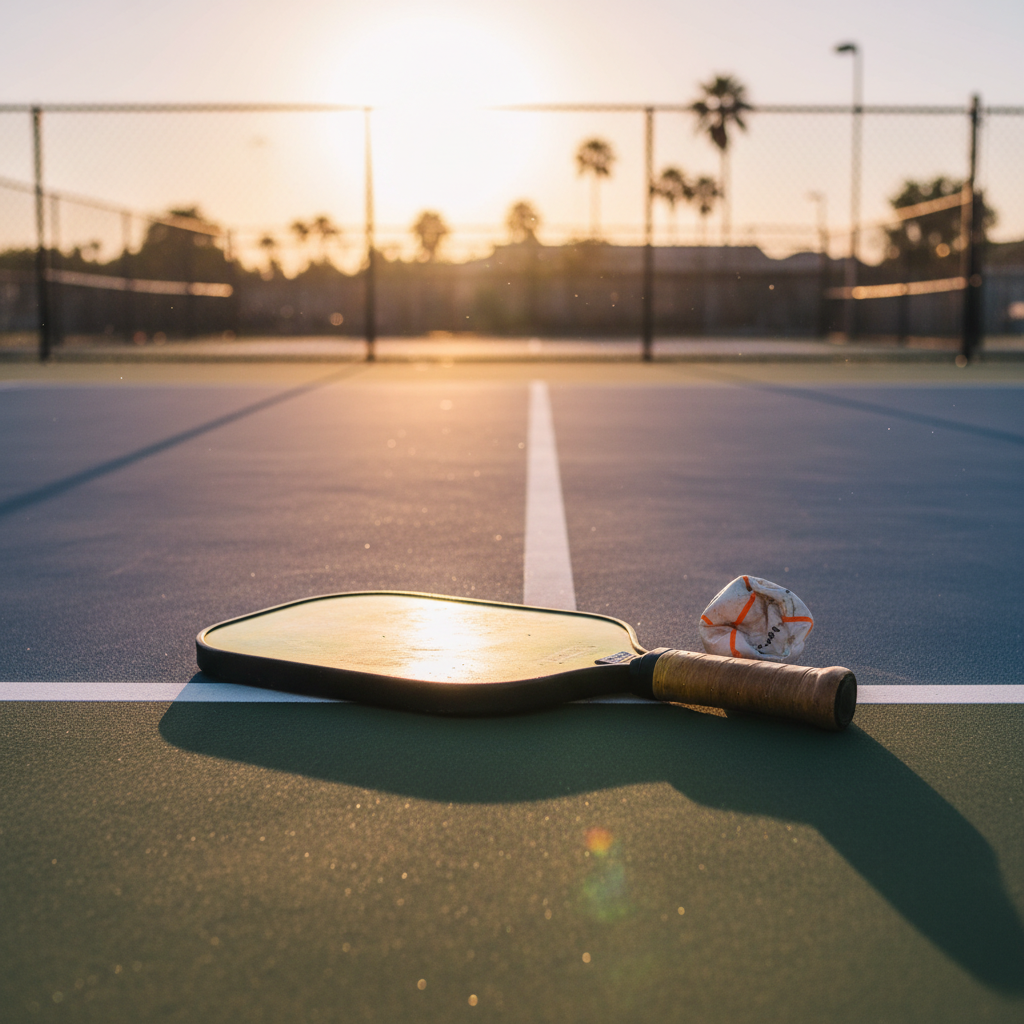
Carbon fiber is generally safer for your joints because it dampens the harsh vibrations that can lead to chronic conditions like pickleball elbow. Your choice of Kevlar vs. Carbon Fiber Pickleball Paddles can directly impact how long you can stay on the court without experiencing pain. Selecting a Kevlar vs. Carbon Fiber Pickleball Paddles model with high damping properties is a smart move for long-term health.
Reducing pickleball elbow risk
The result? Every time you hit the ball, a shockwave travels from the paddle into your wrist and elbow, causing micro-trauma over time. Carbon fiber is engineered to break up these waves before they reach your arm, ensuring that your joints don’t have to absorb the full force.
- Absorbs high-frequency vibrations
- Protects sensitive wrist ligaments
- Reduces elbow inflammation risks
- Promotes longer daily play sessions
Weight and joint fatigue
Listen to this: carbon fiber’s lightweight nature means you don’t have to use as much muscle force to swing the paddle quickly or stop it suddenly. This reduces the overall strain on your tendons, allowing you to play more games per week without feeling drained or sore afterward.
- Lower swing weight for easier movement
- Reduced shoulder and rotator cuff strain
- Prevents muscle fatigue during long sets
- Promotes faster hand transitions at net
Stiffness and impact shock
Best of all: while Kevlar is great for power, its stiff nature can sometimes transfer more shock to the player’s arm if the paddle isn’t built with a thick enough core. You should look for a 16mm core if you choose Kevlar, as the added thickness will help compensate for the material’s inherent rigidity.
- Thicker cores absorb more impact
- Balanced stiffness prevents joint shock
- Ergonomic designs focus on health
- Hybrid options offer “soft” Kevlar feels
| Health Metric | Kevlar Rating | Carbon Fiber Rating |
|---|---|---|
| Vibration Protection | Moderate | Best |
| Swing Weight | Variable | Lightest |
Carbon fiber is the recommended material for any player who currently suffers from or wants to prevent chronic arm and joint pain.
Key Takeaway You can play longer and harder by choosing a carbon fiber paddle that prioritizes shock absorption and lightweight maneuverability for your joints.
Frequently Asked Questions
Can I use a Kevlar paddle as a beginner?
Yes. Kevlar is incredibly durable and can withstand the accidental ground scrapes common for new players, though its stiff feel may take a few sessions to get used to.
What’s the best material for reducing arm pain?
Carbon fiber. It remains the gold standard for absorbing the harsh vibrations that cause elbow and wrist strain during intense, high-frequency play.
How do I know if I need a carbon fiber face?
Judgment. If you find yourself consistently hitting dinks too high or struggling to control your resets at the kitchen line, the added touch of carbon fiber will help.
Can I get more spin with a Kevlar hybrid?
Yes. Hybrid paddles utilize a mix of fibers to provide the “bite” of carbon fiber alongside the structural strength of Kevlar, resulting in excellent all-around spin potential.
What’s the best way to choose between these two?
Testing. The most effective way is to demo both materials at your local club to see which “pop” and “feel” resonates with your natural swing style.
Deciding between Kevlar and carbon fiber comes down to your personal goals and physical needs on the court. Whether you seek the unmatched durability of Kevlar or the pinpoint precision of carbon fiber, the right equipment will help you enjoy the game more. Our vision is to provide every player with the best tools to win and stay healthy. If you need help picking the perfect model, contact us today for a personal recommendation based on your play style.